Miom
A companion that explores adaptation through One Health, connecting the body, everyday routines, local environments, and community knowledge.
Team
Project Focus
Role
Tools
When you move, your gut moves with you
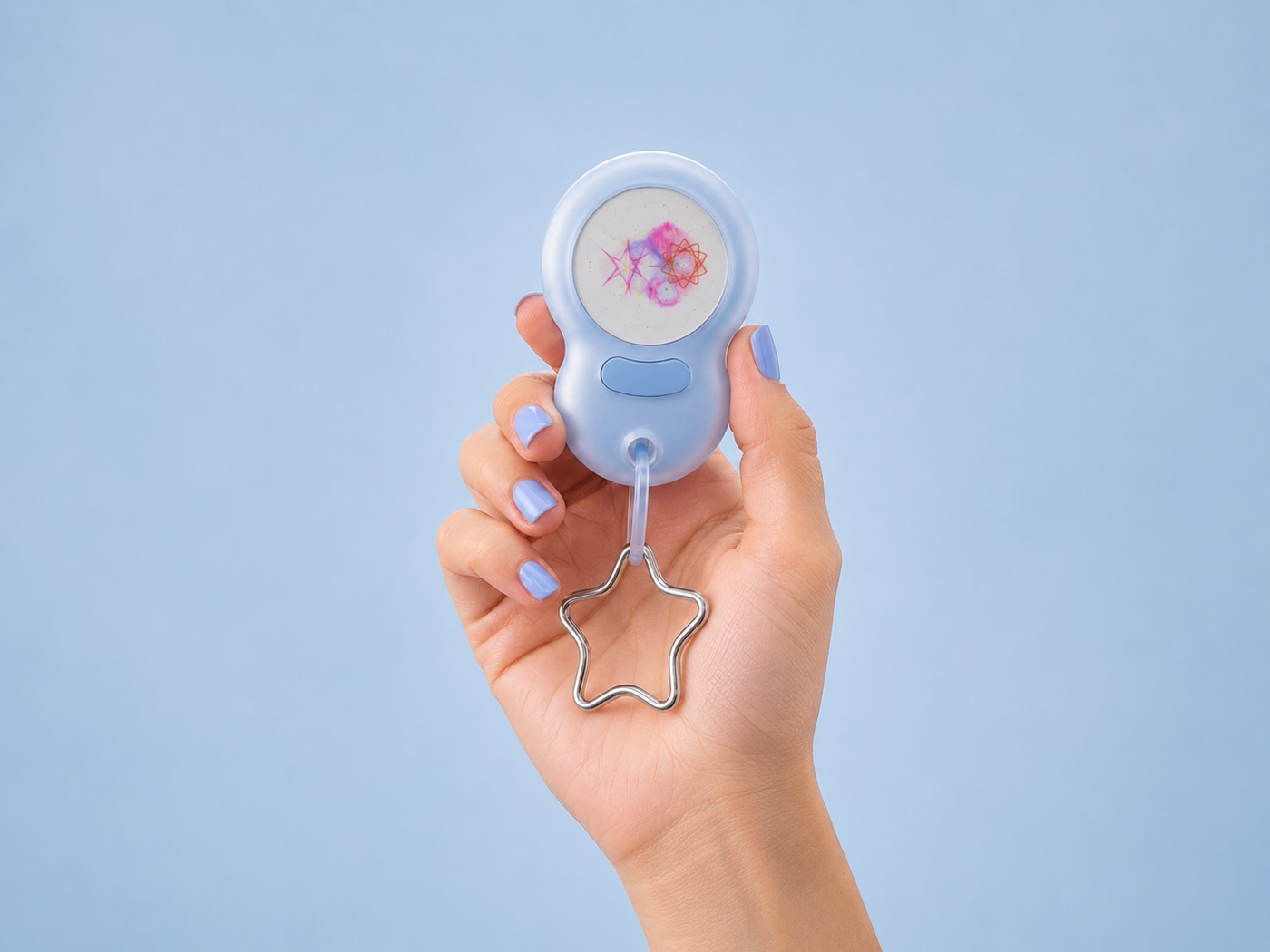
Miom is a portable device, digital companion, and communal dock that connect the environmental traces of relocation with personal reflection and shared local knowledge.
Relocation changes food, water, air, climate, stress, and social routines simultaneously. These shifts can affect the gut microbiome and appear through digestive disruption, fatigue, skin changes, or altered sleep.
The effects are often noticed, but rarely connected.
Miom investigates how these fragmented experiences might become visible and understandable without turning them into a diagnosis.
An invisible transition becomes collectively navigable
Miom turns personal environmental traces into a changing visual portrait and a shared local knowledge base.
The project does not directly measure the microbiome. It connects food captures, environmental data, reflections, and anonymous community observations to make gradual adaptation more legible.
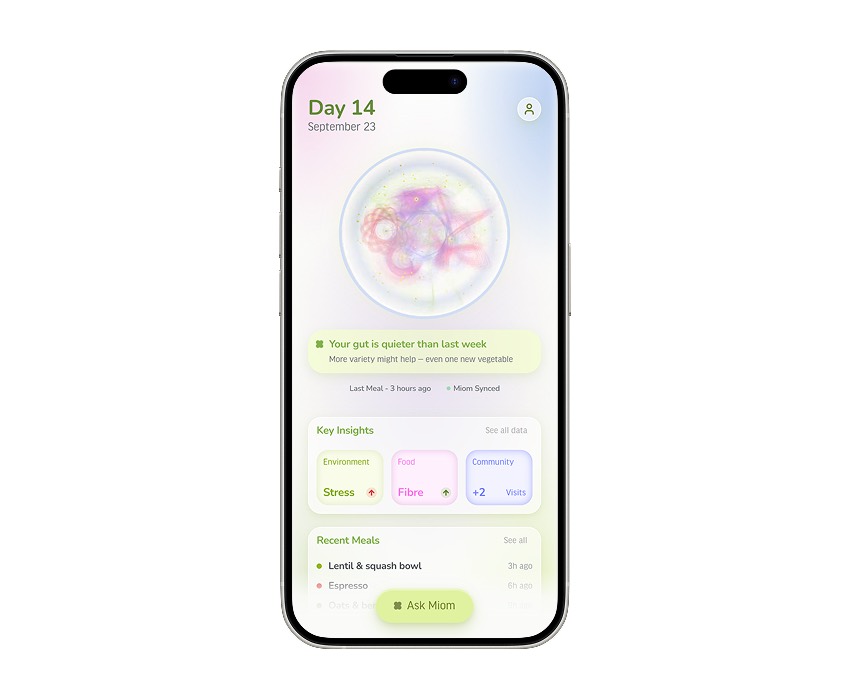
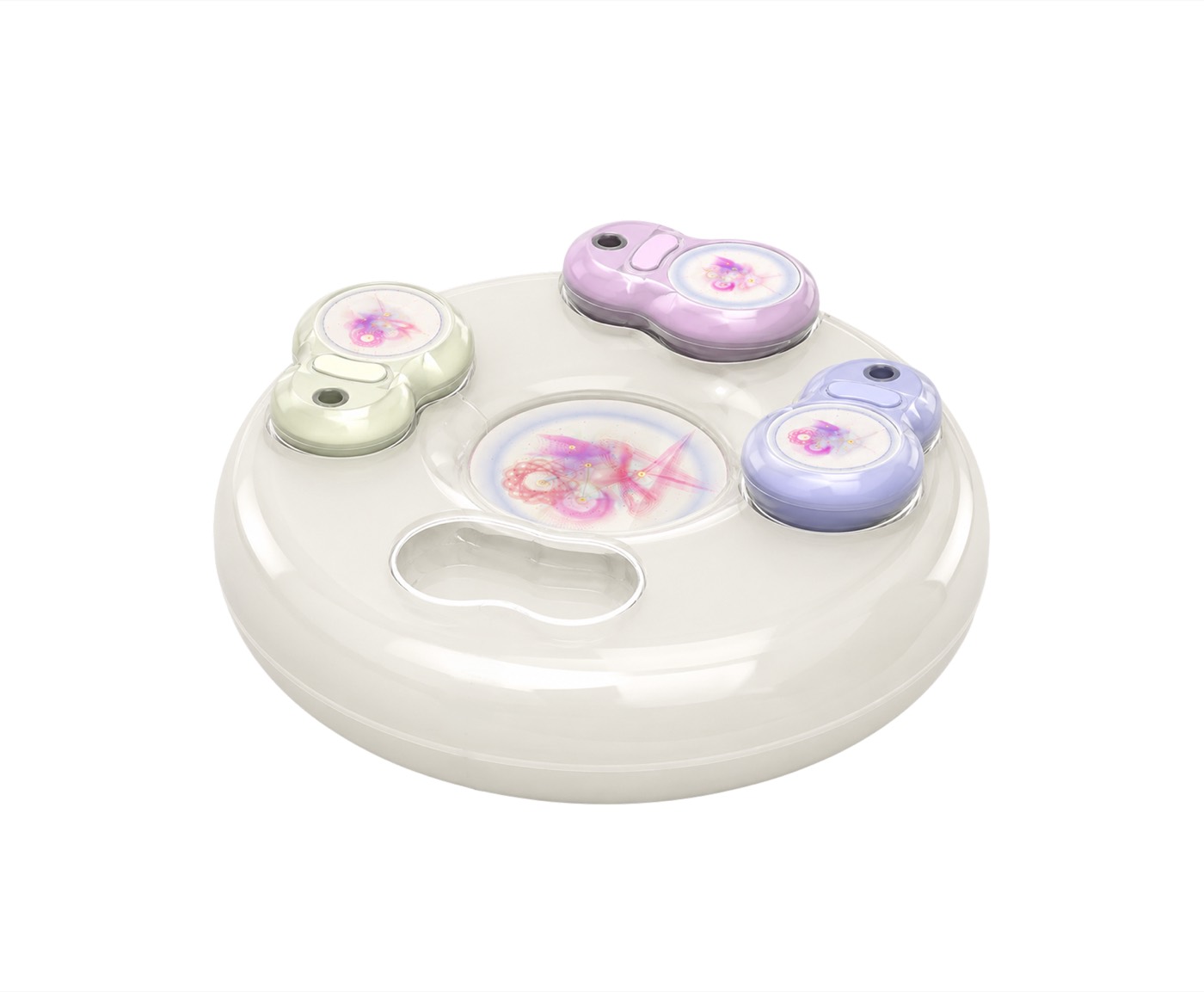
The system operates across three connected forms: a portable device that gathers traces, a digital companion that guides reflection, and a communal dock that exchanges local knowledge.
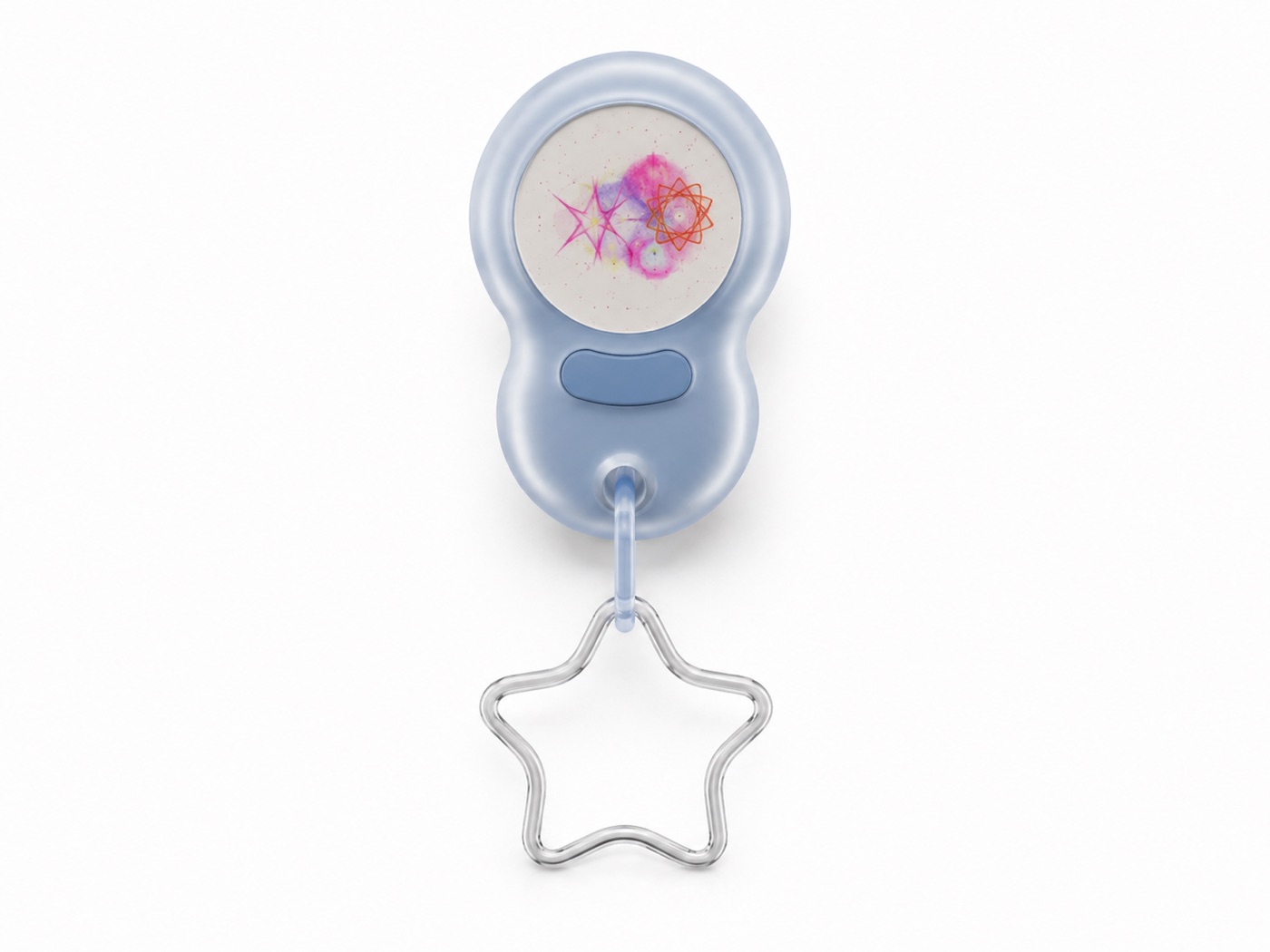
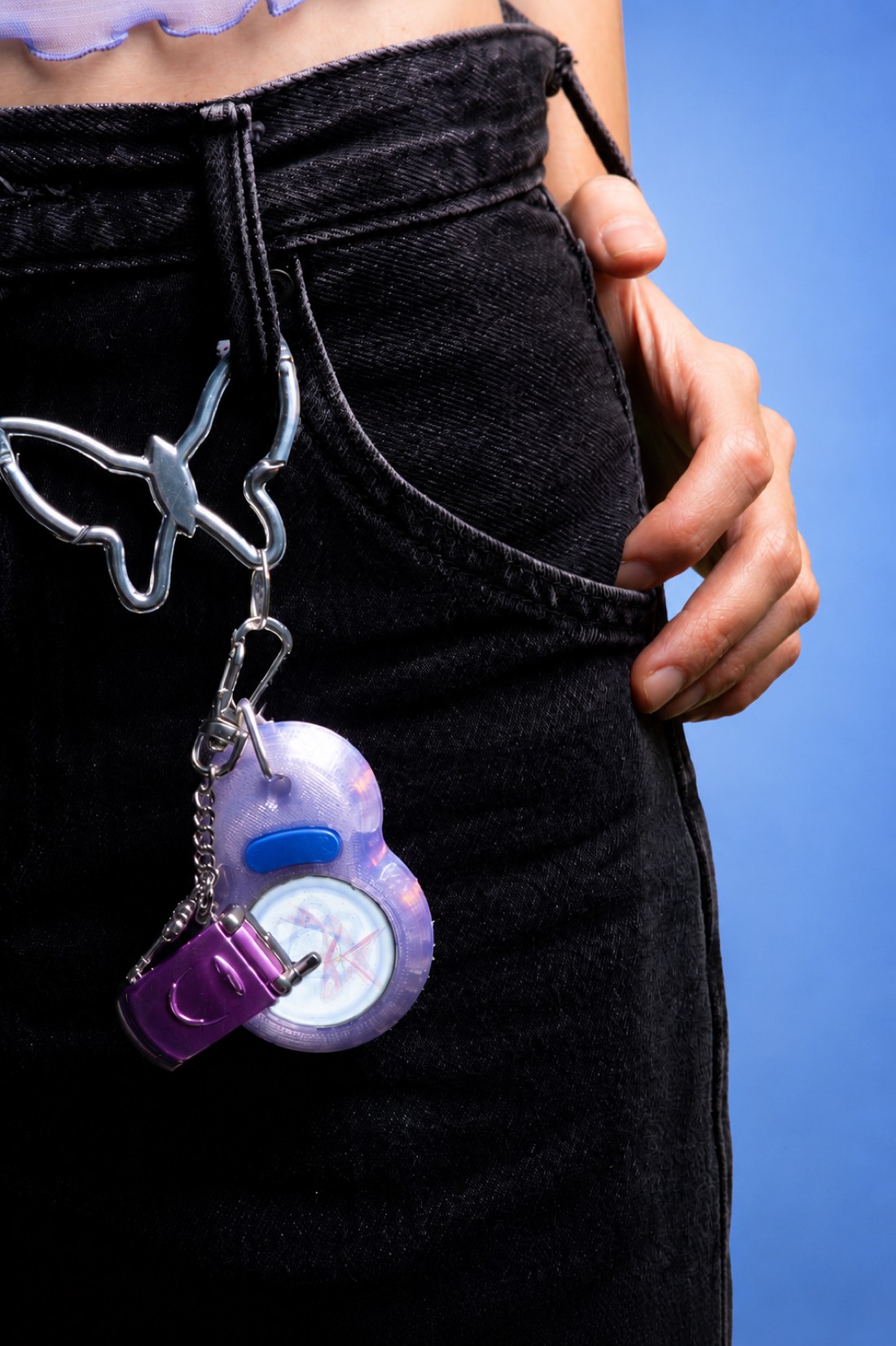
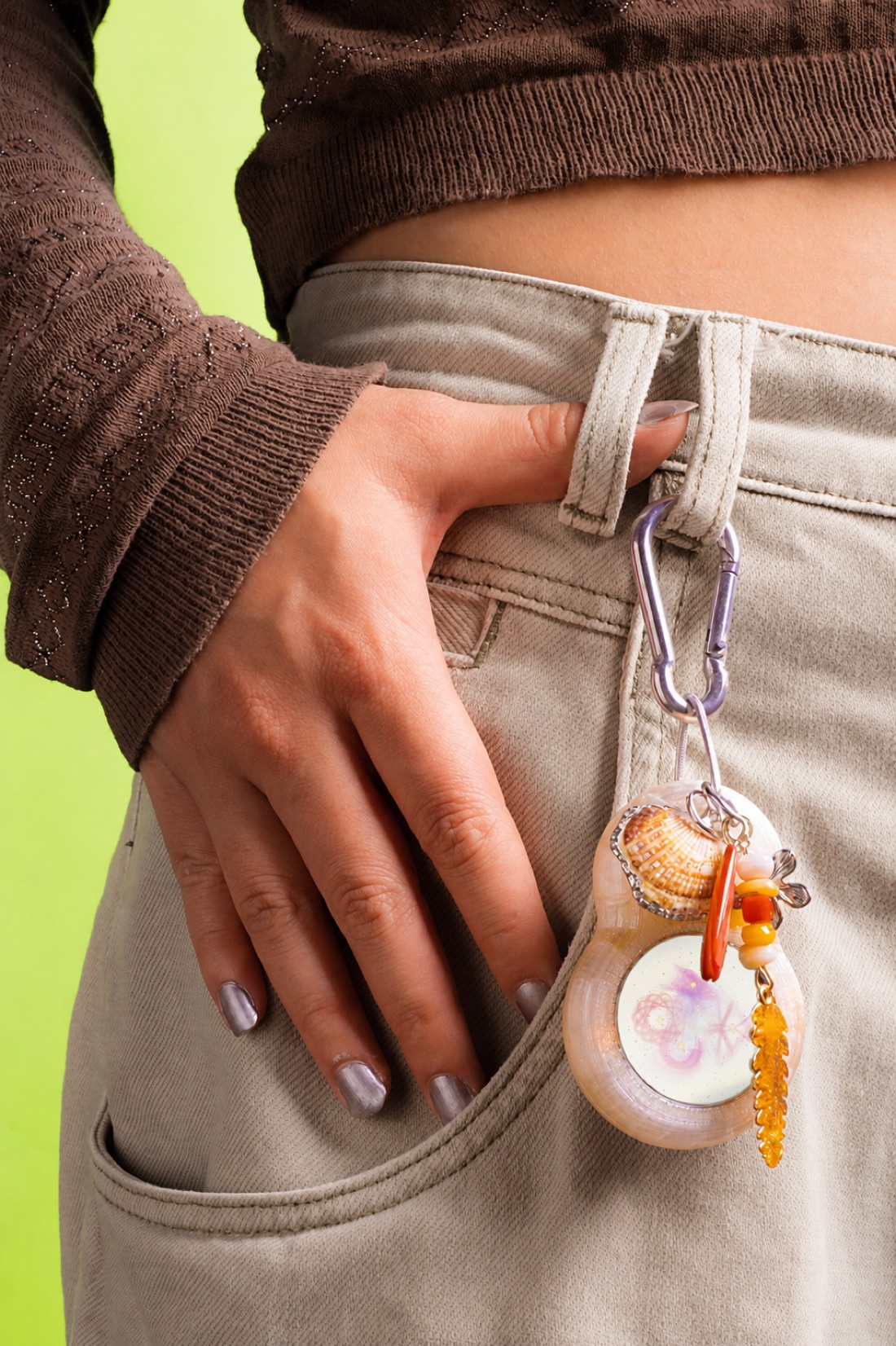
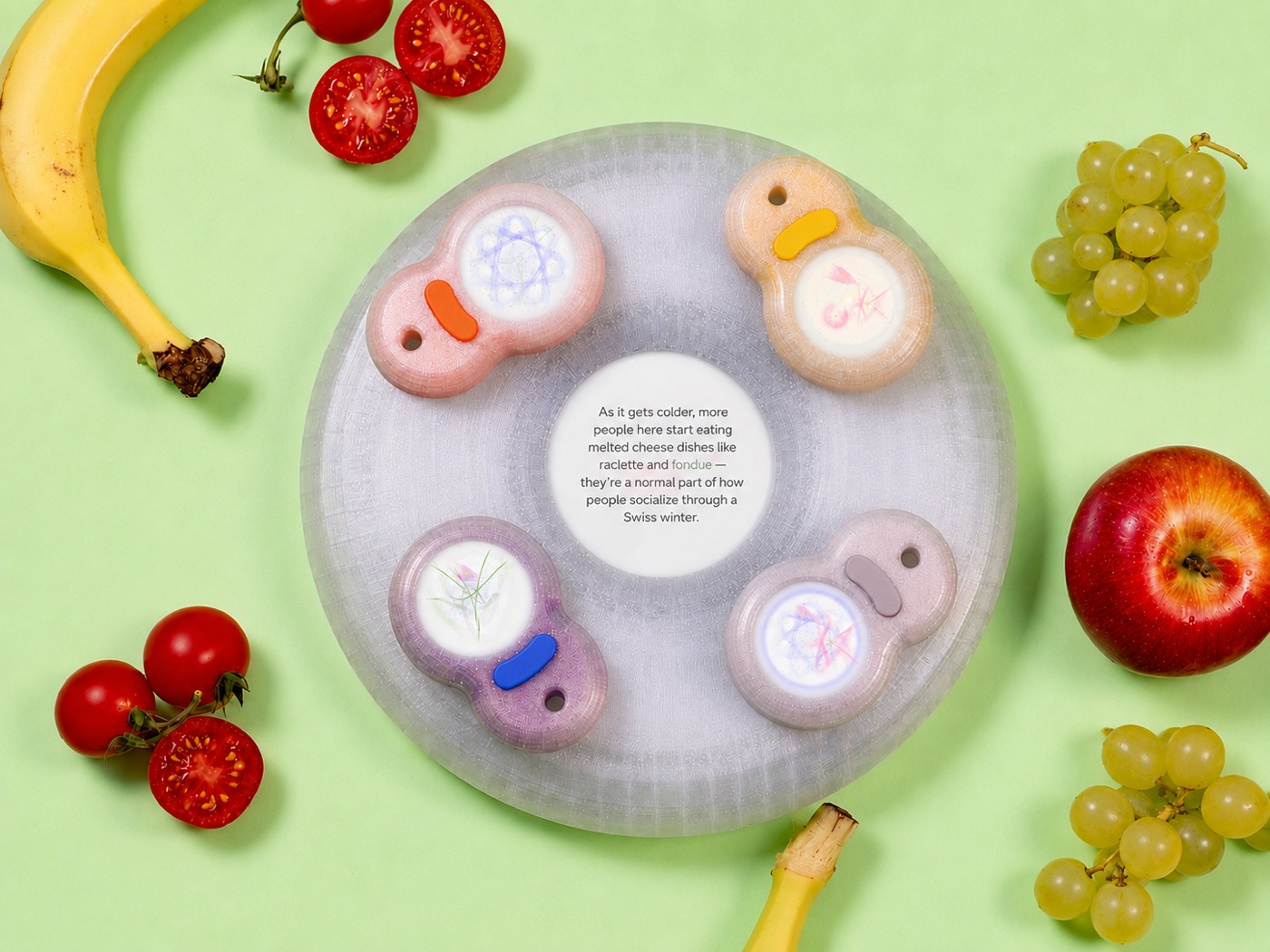
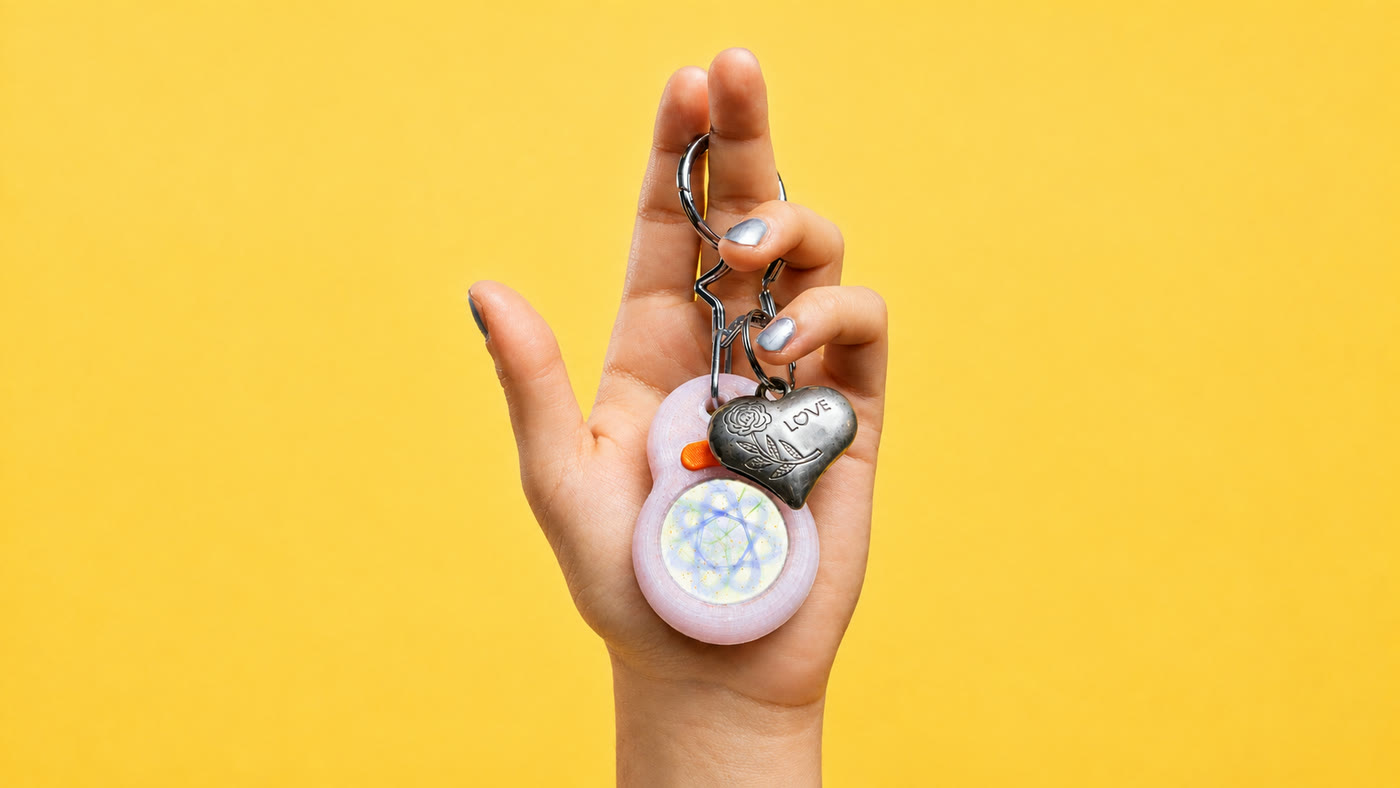
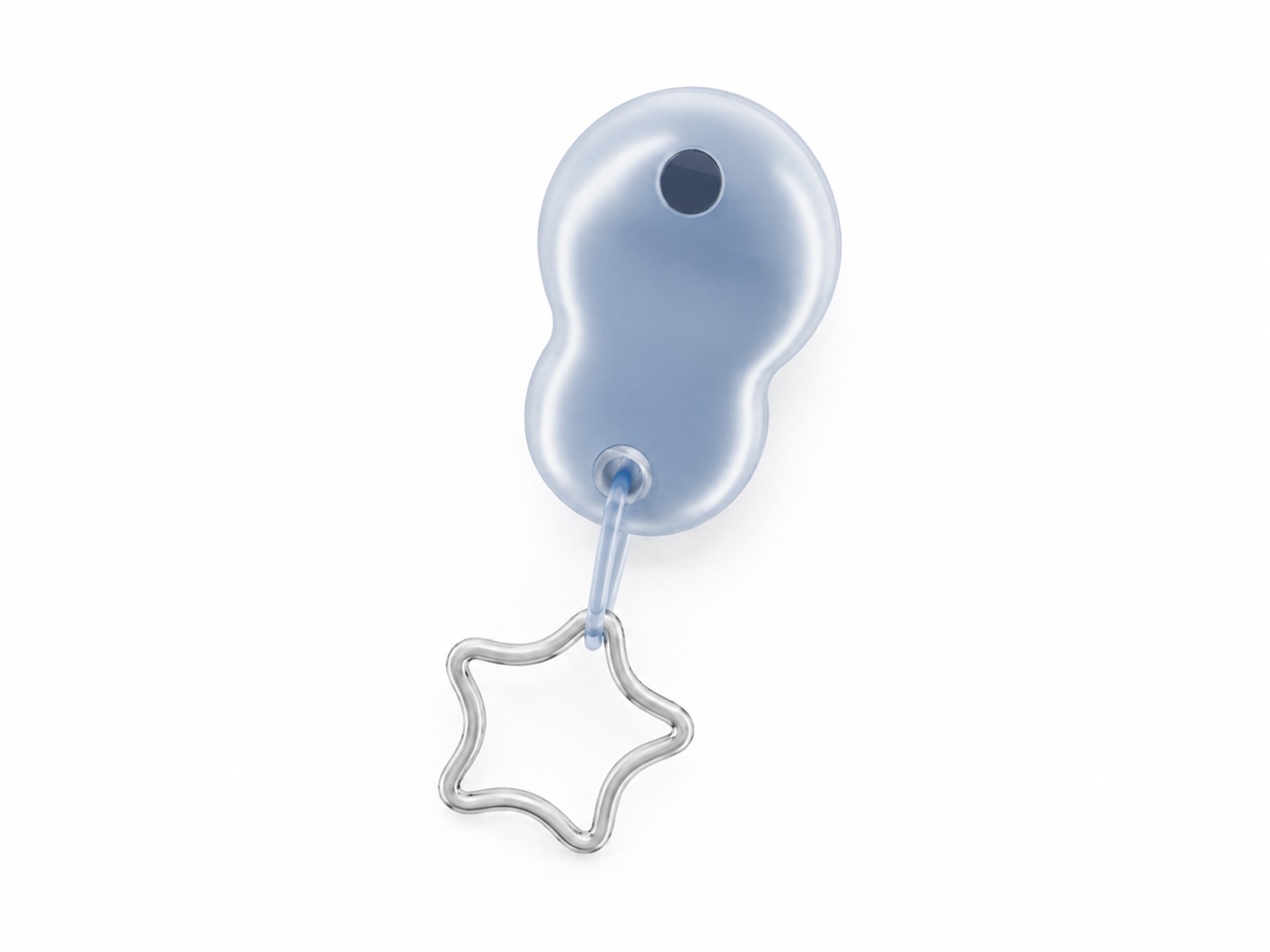
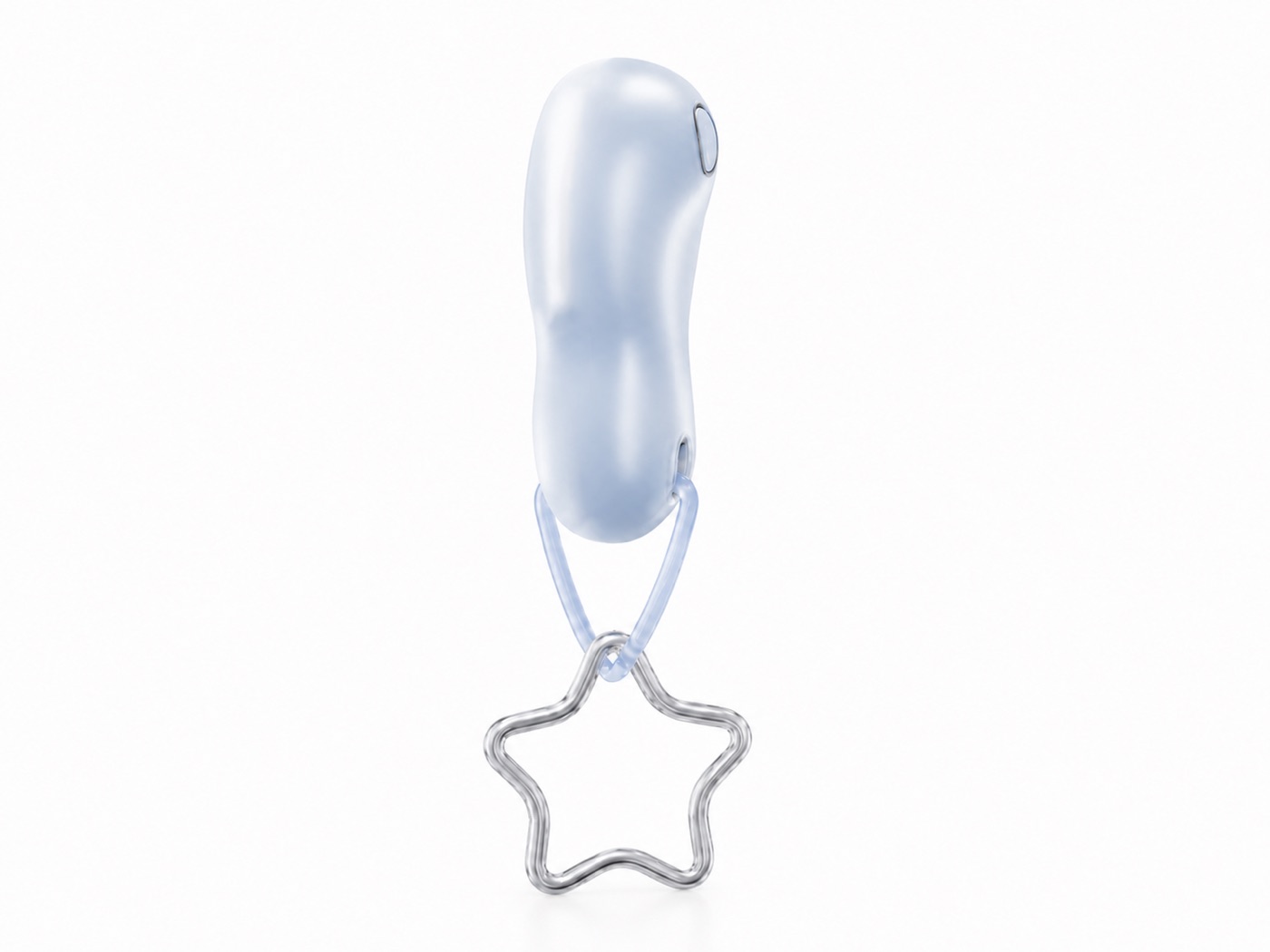
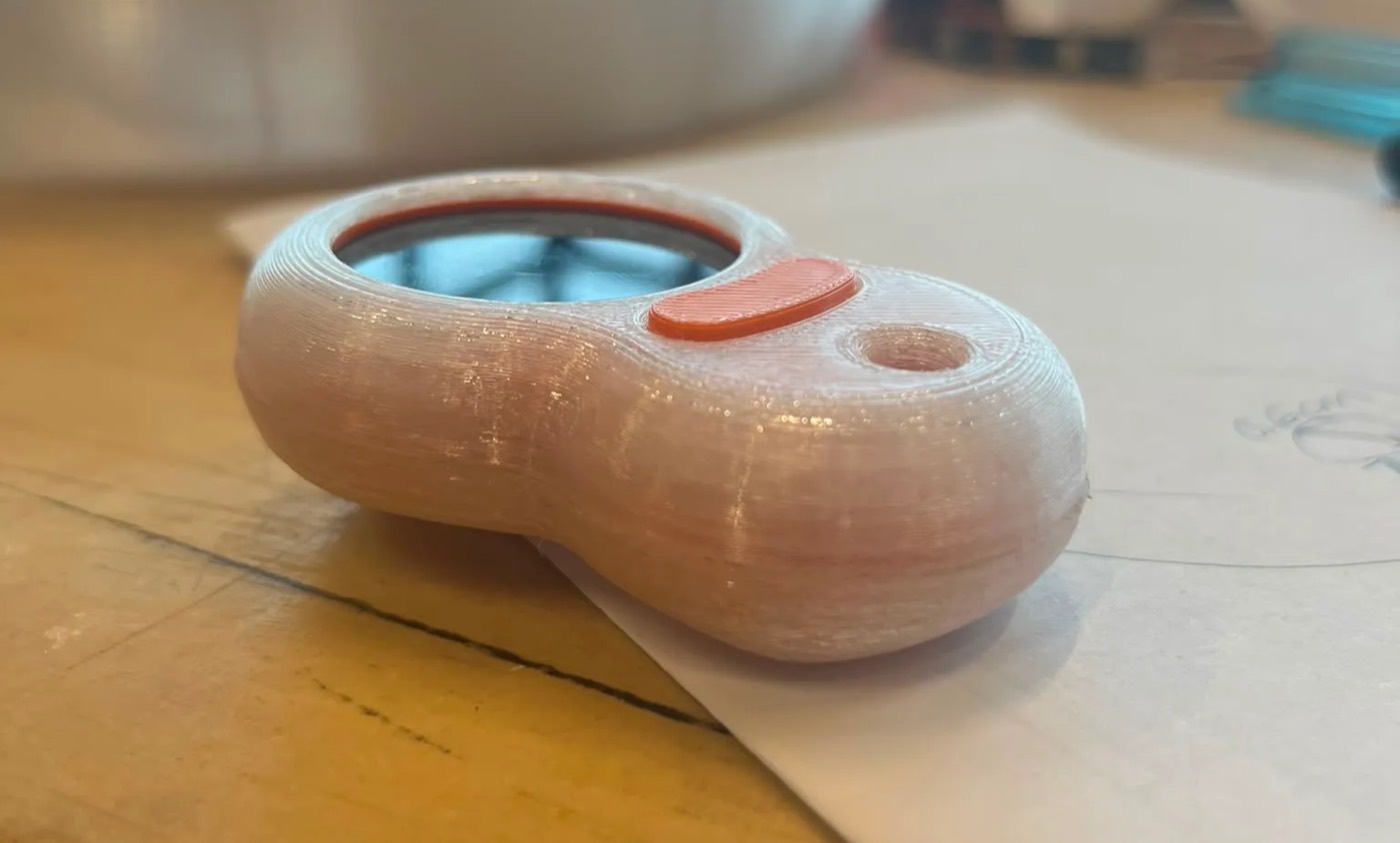
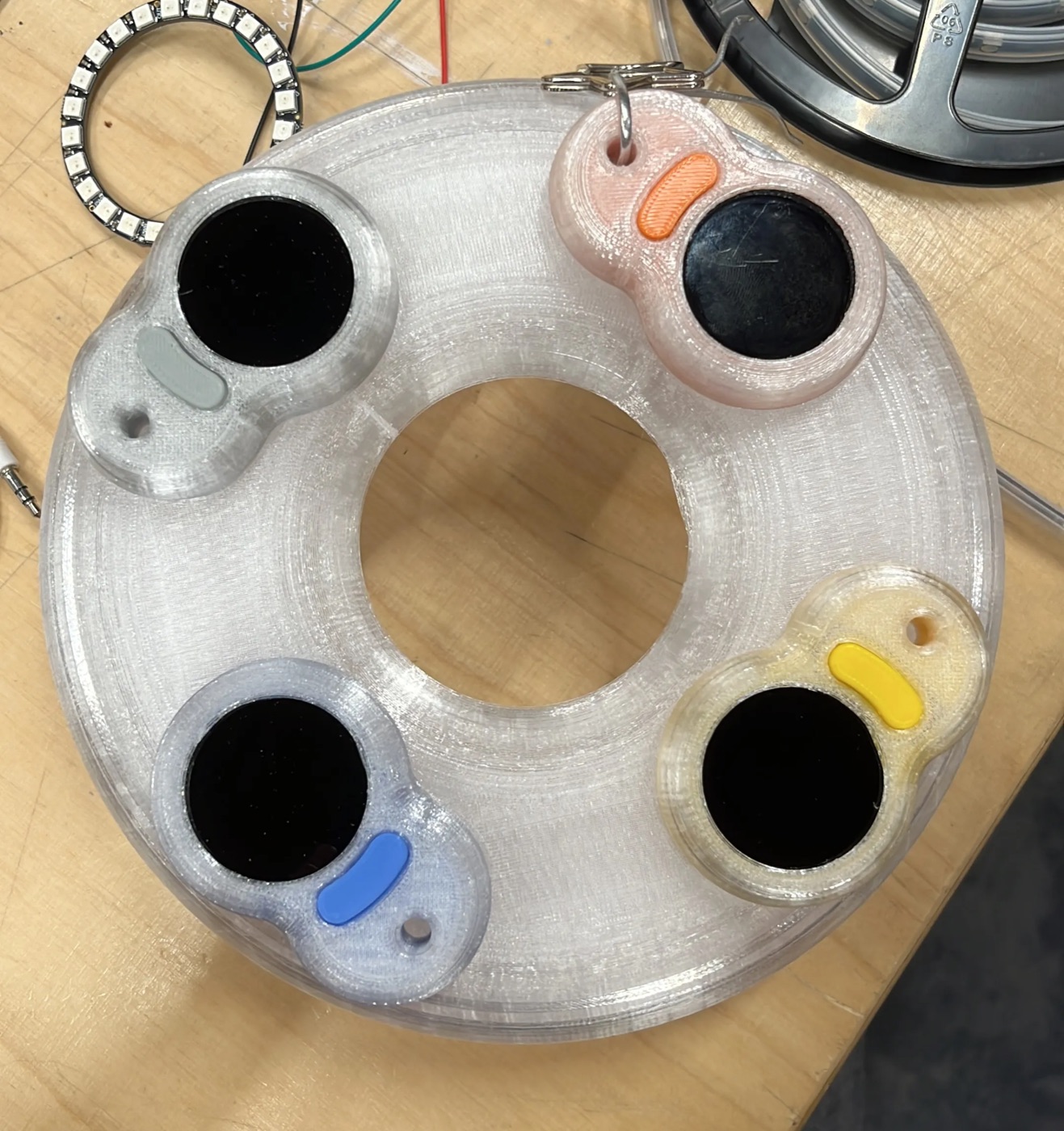
The portable device evolved through clay studies, foam models, CAD development, and 3D-printed iterations. Its rounded two-lobe form draws from microbiome imagery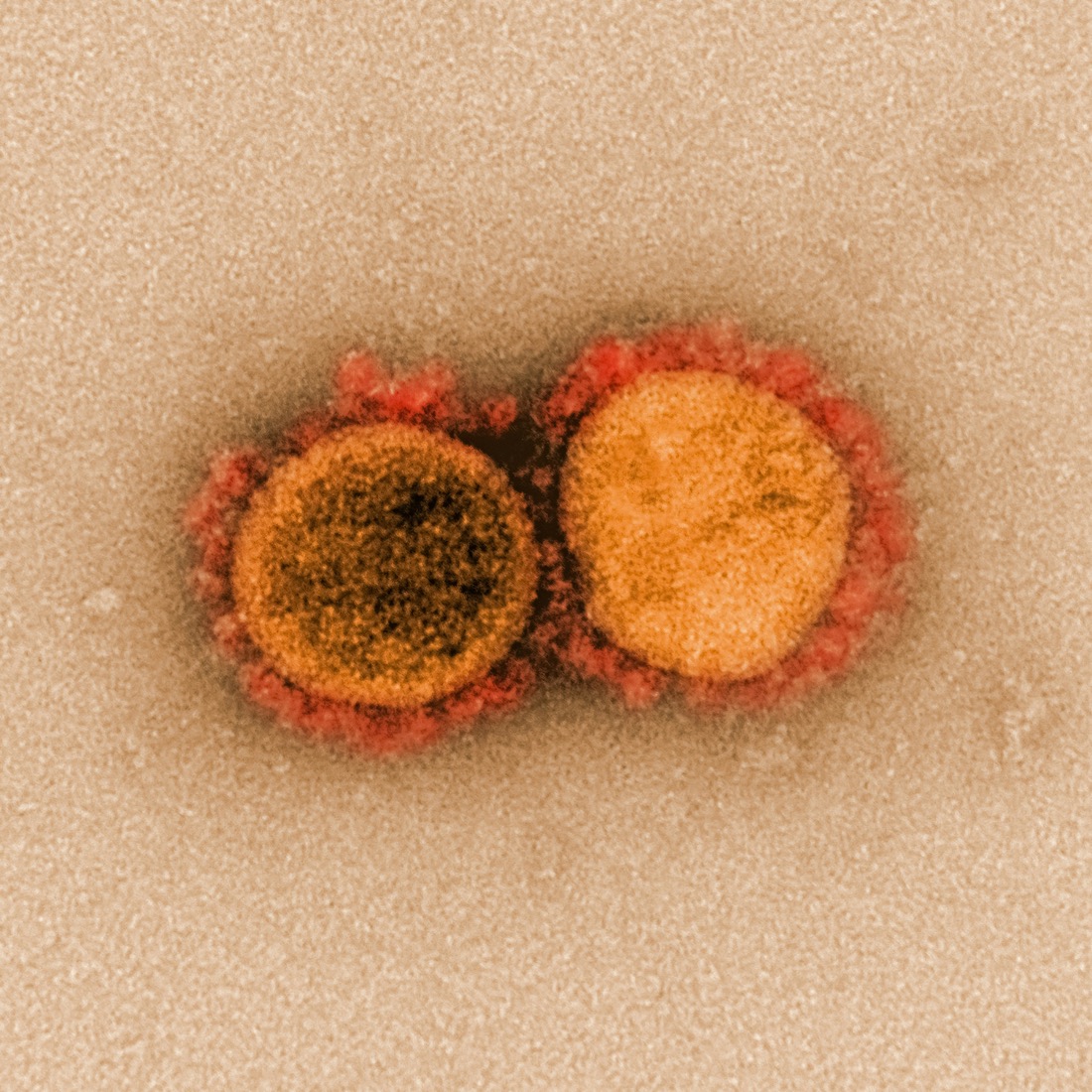
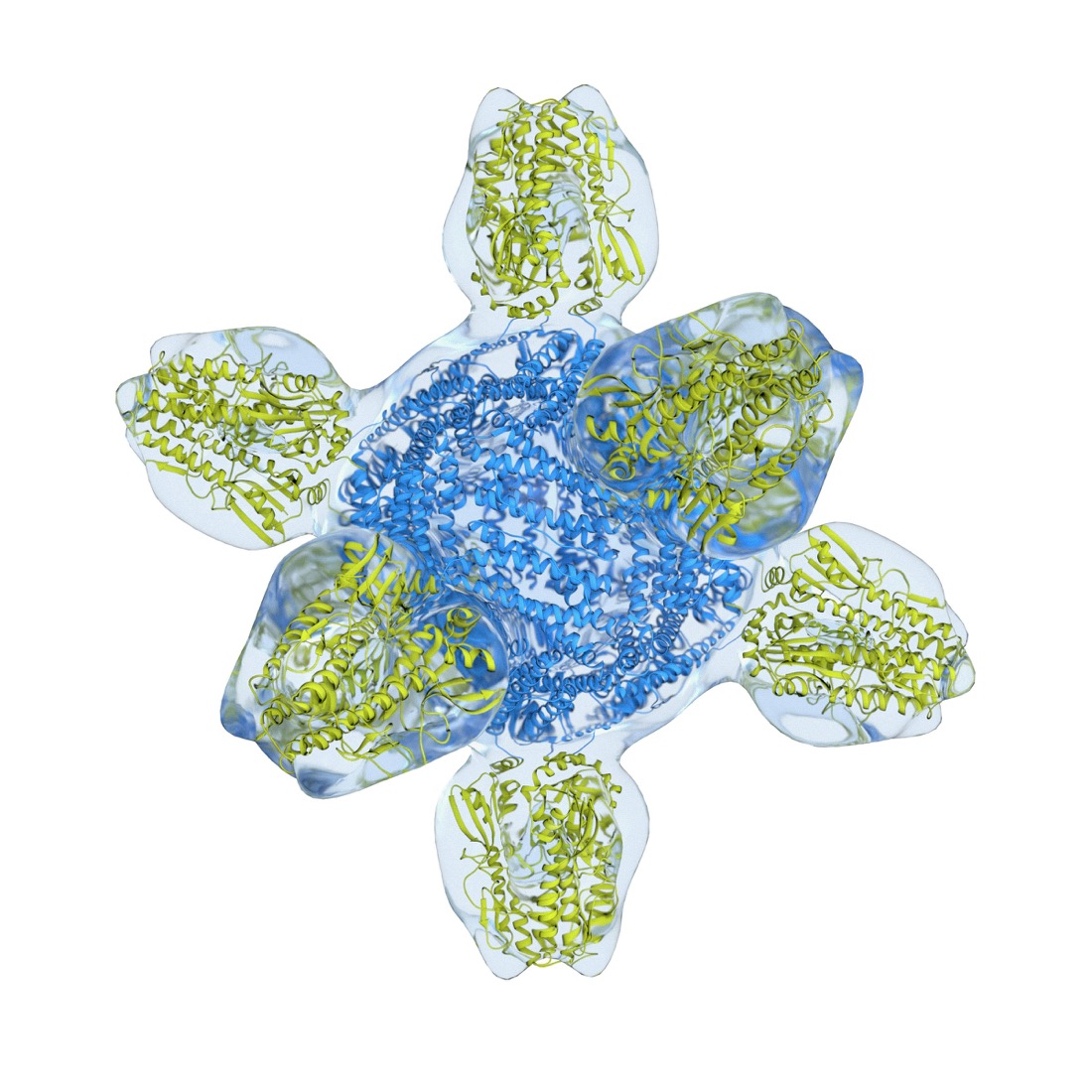
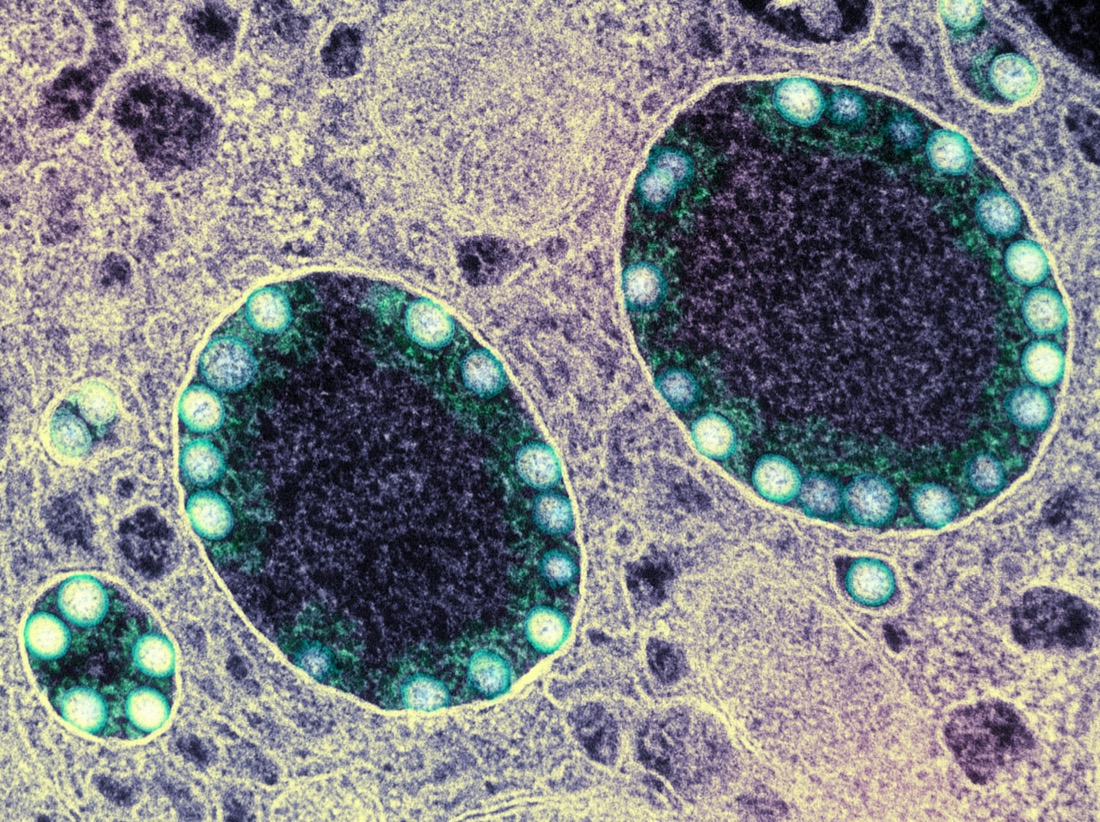
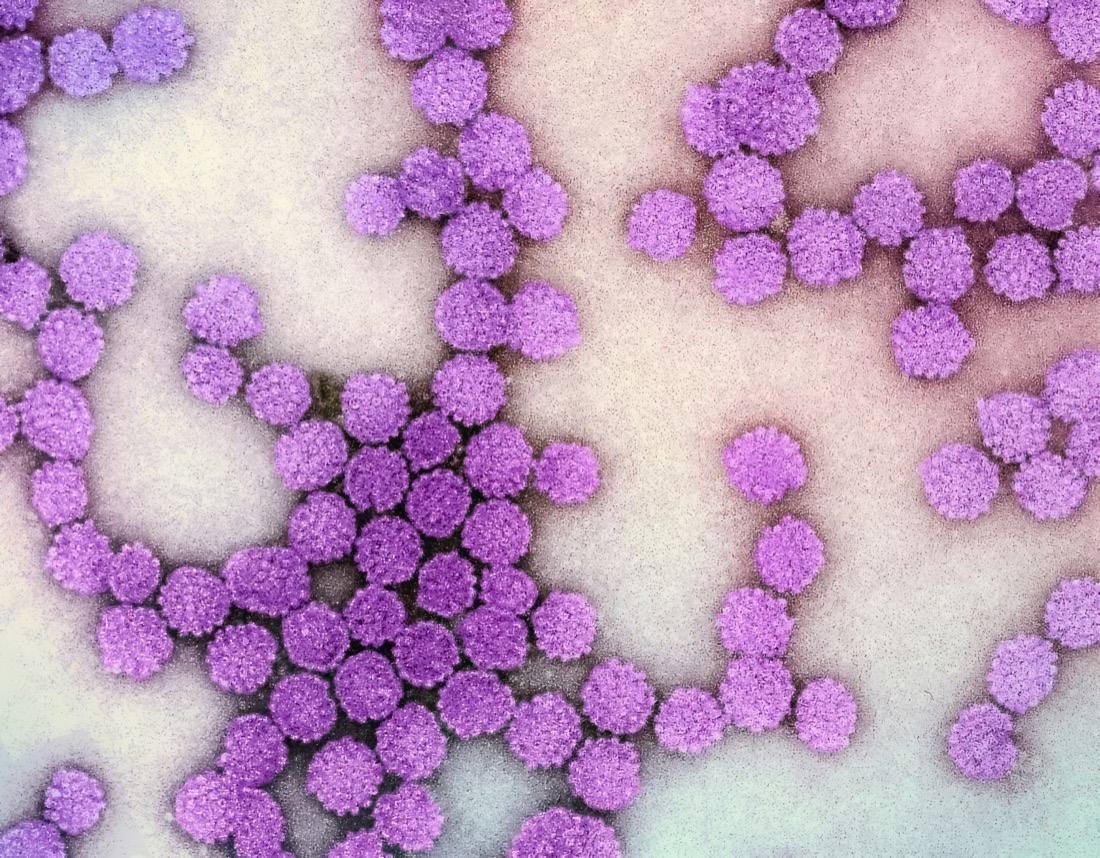 without becoming literal, creating a familiar everyday object rather than a clinical device. The display, button, camera, and keychain attachment were refined throughout the design process.
Stage 1 · Onboarding
| Step | What happens | Object | Modality |
|---|---|---|---|
| Device pairing & baseline | Device paired via Bluetooth; passive environmental sensing begins | Portable Device | Light, vibration, GUI |
| First voice conversation | Agent-led open conversation; learn origin, current city, food background, current mood | Digital Interface | VUI + GUI |
| Miom initialised | Day-0 biome portrait appears; sparse, honest, origin-tagged | Digital Interface | GUI |
Stage 2 · Daily Data Collection
| Step | What happens | Object | Modality |
|---|---|---|---|
| Passive sensing | Temperature and humidity logged continuously; anomalies flagged | Portable Device | Light (on), sensors |
| Active food capture | User presses button to photograph a meal or ingredient | Portable Device | Camera, GUI |
| Bluetooth sync | Environmental and food data transfers to phone | Digital Interface | Silent background transfer |
| NFC reflection | User places device against phone; agent invites reflection, agent-led | Digital Interface + Device | VUI, GUI, NFC |
| On-demand chat | User-initiated anytime; agent answers directly and concisely | Digital Interface | VUI + GUI |
Stage 3 · Community Exchange
| Step | What happens | Object | Modality |
|---|---|---|---|
| Intentional data sharing | User makes an active decision to transfer their anonymous data to the communal dock | Digital Interface | GUI |
| Guided to dock | App shows nearest dock, distance, walk time | Digital Interface | GUI |
| Device connects to dock | Portable device placed on dock; light confirm connection | Portable Device + Dock | Light, vibration, NFC/RFID |
| Data transfer | Personal data uploads to dock; community knowledge downloads to device | Dock + Device | Light sequence, GUI |
| Community display | Dock shows living community biome visualisation; ambient insight spoken aloud | Communal Dock | GUI, optional speaker |
| Sync to phone | Community knowledge package transferred from portable device to phone; agent's knowledge base updated; biome portrait expands | Digital Interface | Bluetooth, GUI |
The portable device communicates its state through three output channels: the circular round screen, LED light, and vibration. Each state is distinct and legible without requiring the user to look closely.
| State | Screen | Light | Vibration | Meaning |
|---|---|---|---|---|
| Idle Passive Sensing | Simplified biome portrait (current state) | Soft ambient pulse | None | Device is on, sensing continuously |
| Active Capture Viewfinder | Live camera image | Steady | None | User has initiated food photo capture |
| Capture Confirmed | Brief flash animation | Flash | Single pulse | Photo has been taken and saved |
| Bluetooth Syncing | Subtle animation | Faint blink | None | Data syncing to phone in background |
| NFC Reflection Ready | Reflection prompt | Steady | Single pulse | Device is touching phone; reflection session ready to begin |
| Docking in Progress | Community transfer animation | Sequence | Double pulse | Data transferring to/from communal dock |
| Docking Complete | Community biome portrait | Steady warm glow | Long single pulse | Transfer complete; community data received |
| Low battery | Battery indicator | Slow red blink | Three pulses | Charge required |
The generative visualization changes through three categories of information.
The portrait appears across the portable device, digital interface, and communal dock. It does not represent a measured microbiome. It makes the traces collected by the system visible through a shared visual language.
Miom is a conversational companion built on a large language model (LLM). Rather than diagnosing or prescribing, it helps people interpret their experiences by connecting personal observations with community knowledge and scientific research.
Its behaviour was shaped through conversation design, confidence calibration, and transparent communication. Responses adapt according to their source (personal observations, community knowledge, or scientific evidence), helping people understand both the origin and confidence of each insight.
Reflection, after a week of food logs
I've been looking at what you've been eating this week. A lot of bread, pasta, some dairy. Quite a change from what you described at home. You mentioned on Thursday that you felt heavy after lunch. Does that happen often?
Pretty much every day.
That makes sense. Your gut has been used to a very different daily input, rice, fermented soy, a lot of variety. What you're eating here is nutritionally fine, but the bacterial landscape is quite different. It takes a few weeks for things to start settling. You're not doing anything wrong.
Should I be eating differently?
That's not something I'll tell you to do but I can share what's helped others here in a similar situation. Some people who came from food cultures with daily fermented foods found sauerkraut a reasonable substitute. There's usually good fresh sauerkraut at the Saturday market. Others just waited it out and found things shifted around the four-week mark.
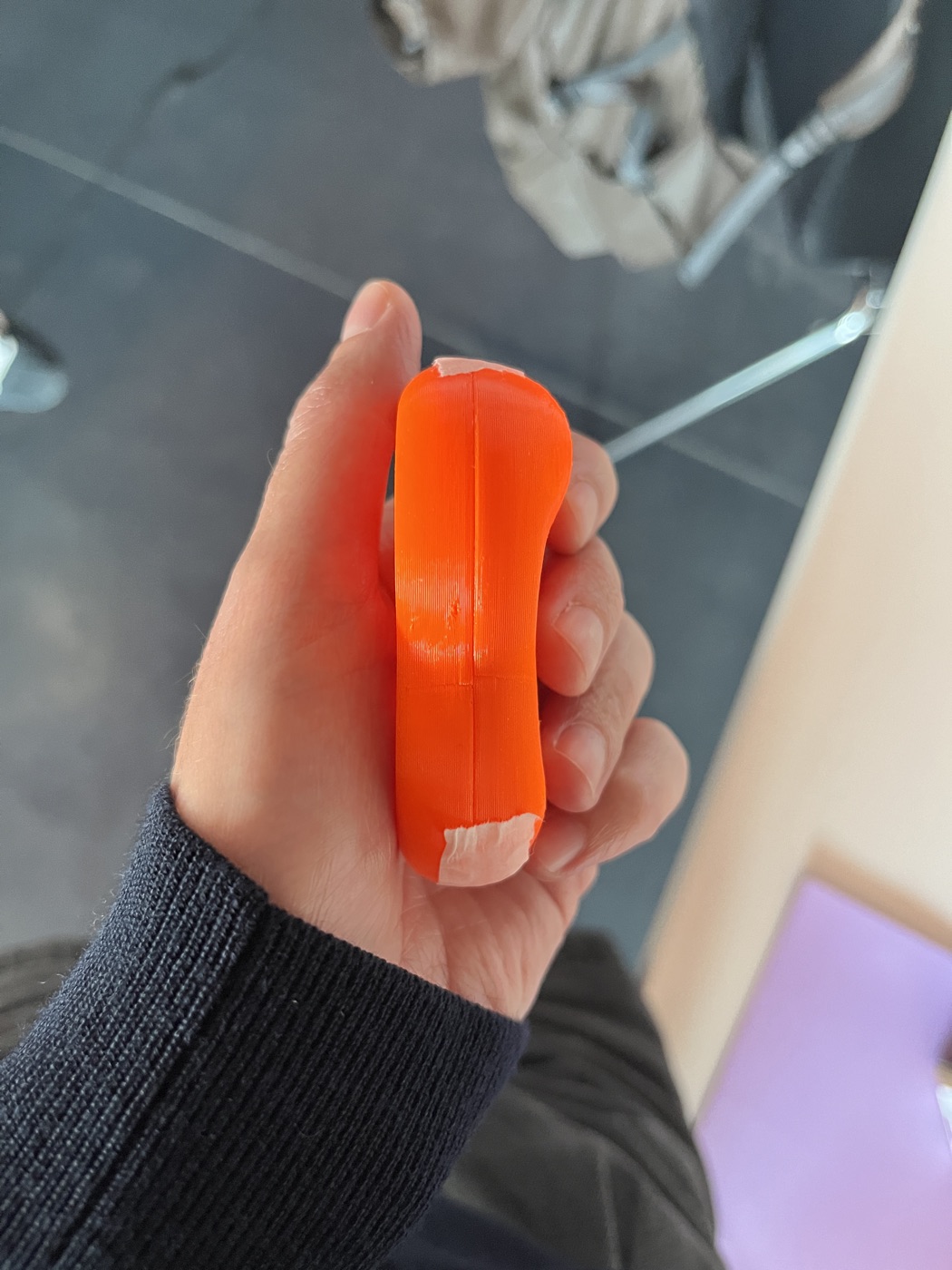
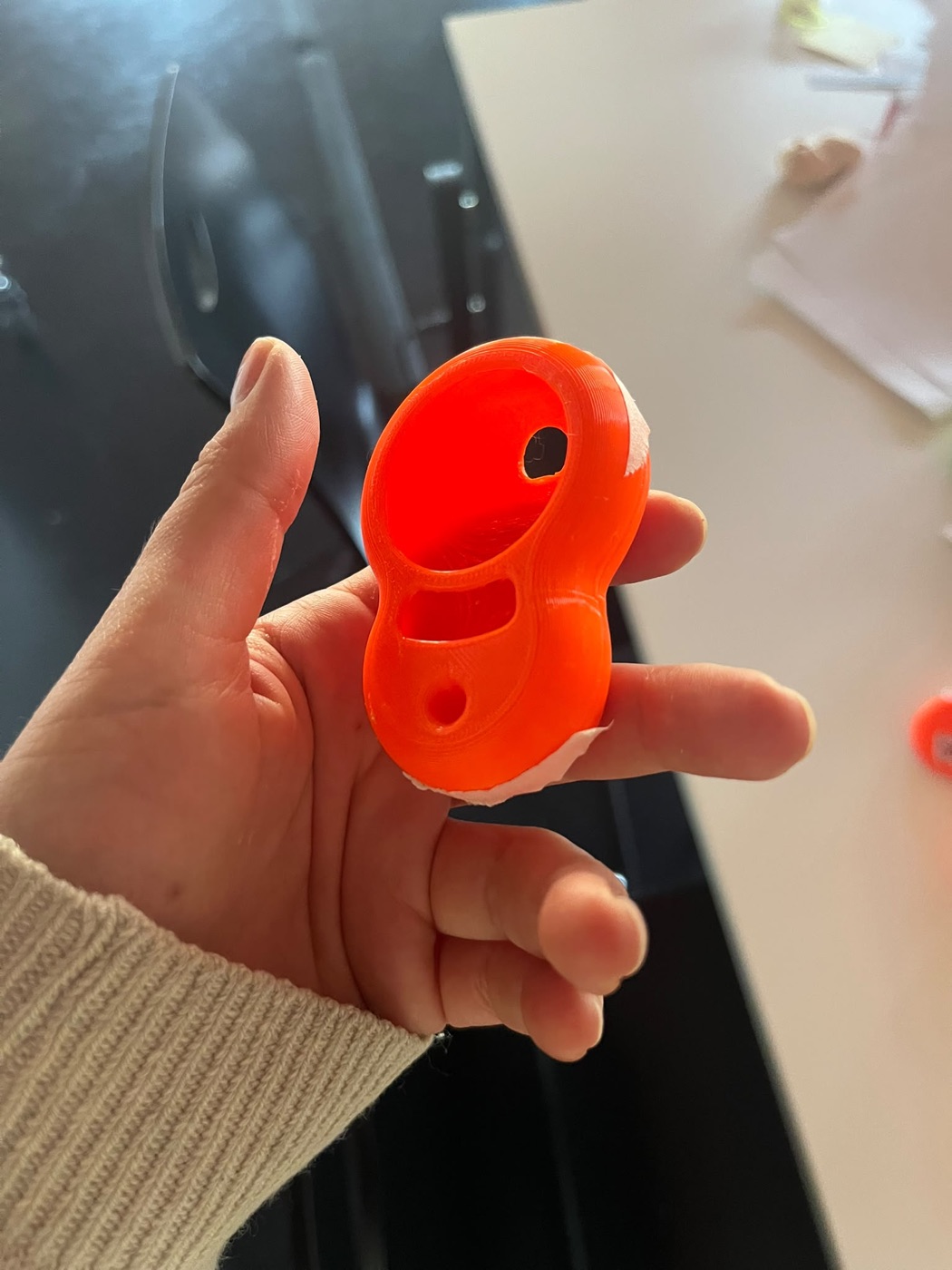
To evaluate the product at full scale, the enclosure was fabricated through multiple 3D printed iterations. These prototypes were used to refine ergonomics, carrying behaviour, button placement, docking tolerances, and the relationship between the portable device and communal dock.
The electronics prototype combines two Arduino Uno Q boards, each paired with a Waveshare 1.28″ GC9A01 round 240×240 LCD display. The boards are connected over Tailscale VPN to simulate communication between the portable device and dock. In parallel, the mobile application was developed as a functional coded prototype before being visually refined in Figma, allowing the physical and digital interactions to evolve together.
Adaptation becomes visible through accumulation
Miom begins with experiences that are already present but difficult to connect.
As environmental traces, food captures, reflections, and community observations accumulate, the system forms a changing portrait of adaptation.
A private experience becomes contextualised. An individual trace becomes part of shared knowledge. A newcomer gradually becomes a contributor.
- Pandey, S., Doo, H., Keum, G. B., Kim, E. S., Kwak, J., Ryu, S., Choi, Y., Kang, J., Kim, S., Lee, N. R., Oh, K. K., Lee, J. H., & Kim, H. B. (2024). Antibiotic resistance in livestock, environment and humans: One Health perspective. Journal of Animal Science and Technology, 66(2), 266–278. https://doi.org/10.5187/jast.2023.e129
- Ahn, J., & Hayes, R. B. (2021). Environmental influences on the human microbiome and implications for noncommunicable disease. Annual Review of Public Health, 42, 277–292. https://doi.org/10.1146/annurev-publhealth-012420-105020
- Tu, P., Chi, L., Bodnar, W., Zhang, Z., Gao, B., Bian, X., Stewart, J., Fry, R., & Lu, K. (2020). Gut microbiome toxicity: Connecting the environment and gut microbiome-associated diseases. Toxics, 8(1), 19. https://doi.org/10.3390/toxics8010019
- Vangay, P., Johnson, A. J., Ward, T. L., Al-Ghalith, G. A., Shields-Cutler, R. R., Hillmann, B. M., Lucas, S. K., Beura, L. K., Thompson, E. A., Till, L. M., Batres, R., Paw, B., Pergament, S. L., Saenyakul, P., Xiong, M., Kim, A. D., Kim, G., Masopust, D., Martens, E. C., … Knights, D. (2018). U.S. immigration westernizes the human gut microbiome. Cell, 175(4), 962–972.e10. https://doi.org/10.1016/j.cell.2018.10.029
- Park, I., & Mannaa, M. (2025). Fermented foods as functional systems: Microbial communities and metabolites influencing gut health and systemic outcomes. Foods, 14(13), 2292. https://doi.org/10.3390/foods14132292
- Clemente-Suárez, V. J., Beltrán-Velasco, A. I., Redondo-Flórez, L., Martín-Rodríguez, A., & Tornero-Aguilera, J. F. (2023). Global impacts of Western diet and its effects on metabolism and health: A narrative review. Nutrients, 15(12), 2749. https://doi.org/10.3390/nu15122749
- Lee, S. D., Kellow, N. J., Huggins, C. E., & Choi, T. S. T. (2022). How and why diets change post-migration: A qualitative exploration of dietary acculturation among recent Chinese immigrants in Australia. Nutrients, 14(17), 3573. https://doi.org/10.3390/nu14173573
- Varre, J. V., Dustin, M., & Van Vliet, S. (2025). Dietary transformations and health implications in migrant populations: A global perspective. Frontiers in Nutrition, 12, 1623556. https://doi.org/10.3389/fnut.2025.1623556
- Shi, Y., Lukomskyj, N., & Allman-Farinelli, M. (2021). Food access, dietary acculturation, and food insecurity among international tertiary education students: A scoping review. Nutrition, 85, 111100. https://doi.org/10.1016/j.nut.2020.111100
- Satia-Abouta, J., Patterson, R. E., Neuhouser, M. L., & Elder, J. (2002). Dietary acculturation: Applications to nutrition research and dietetics. Journal of the American Dietetic Association, 102(8), 1105–1118. https://doi.org/10.1016/S0002-8223(02)90247-6
- Bulut-Solak, B. (2021). Food, nutrition, and health in Turkey, the European part. In Nutritional and health aspects of food in the Balkans (pp. 263–278). Elsevier. https://doi.org/10.1016/B978-0-12-820782-6.00008-6
- Cartwright, M., McCullough, L., Ramonet, L., Munro, A., & Wilson, H. (2025). Culturally centered approaches to culinary medicine. In Culinary medicine (Section 4.3). Medicine LibreTexts.
- Food and Agriculture Organization of the United Nations. (n.d.). Food-based dietary guidelines. https://www.fao.org/nutrition/education/food-dietary-guidelines/en/
- National Institute of Allergy and Infectious Diseases. Coloured electron micrographs. Unsplash.
© 2026 Ayşe Ceren Seçkin