Remnants of Absence: Missing Origin
A wearable instrument that reconstructs absence through environmental sensing and the act of moving through space.
Exhibited at Fotomuseum Winterthur. Selected for exhibition as part of Shadow Creatures, co-produced by Fotomuseum Winterthur and Kutxa Fundazioa.
Museum website →Team
Project Focus
Role
Tools
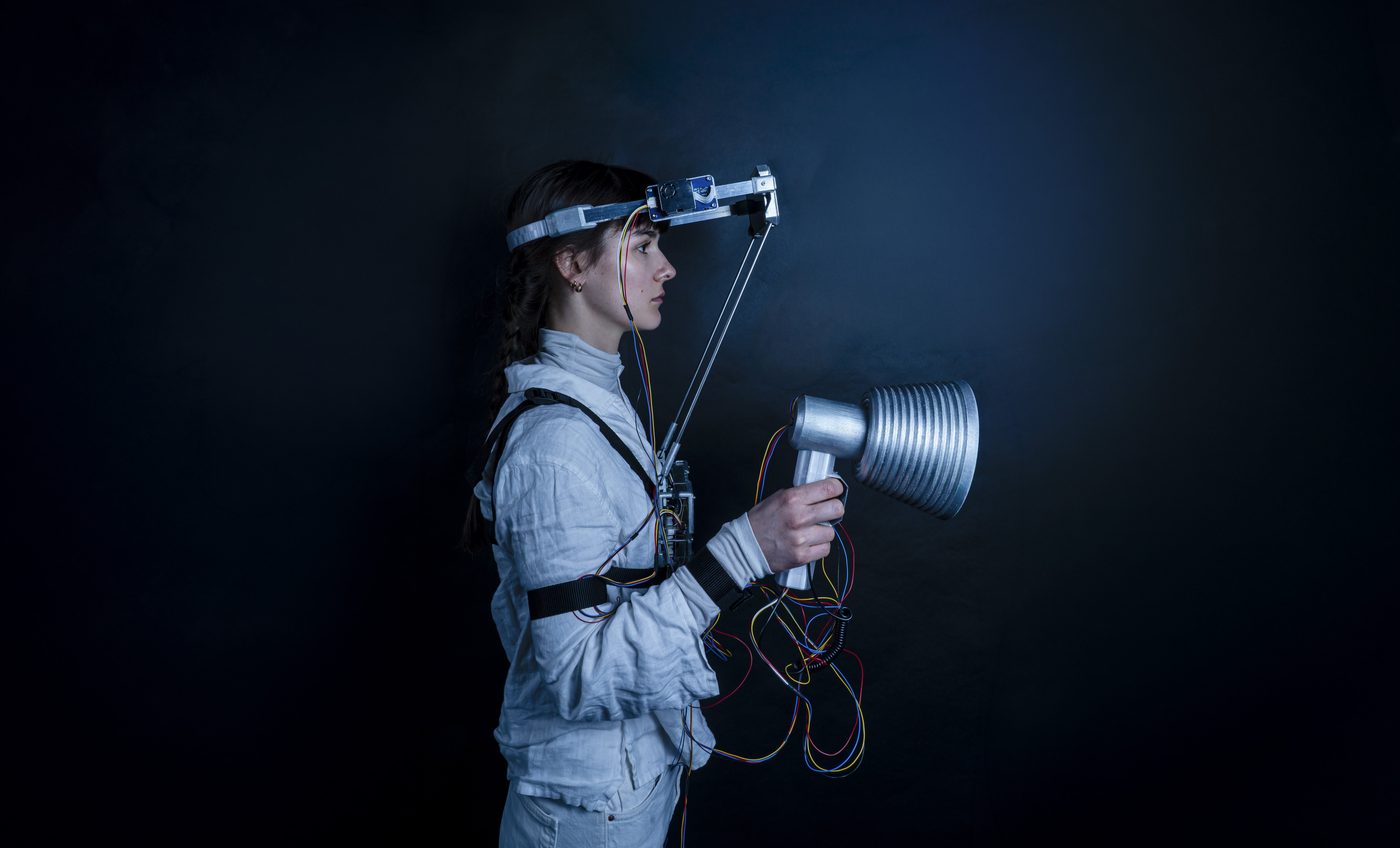
The system detects change, not cause
Remnants of Absence examines how environments retain subtle traces of occupation after bodies and events have disappeared. Rather than searching for visible evidence, the project focuses on environmental deviations such as shifts in temperature, humidity, particulate matter, and physiological response that suggest a space has been altered without clearly revealing why.
The system operates through thresholds rather than identification. Multiple environmental deviations must converge before an anomaly is registered, treating change not as proof, but as an unresolved signal.
The investigator is not positioned outside the system. Through movement, scanning, and physiological sensing, the body becomes embedded within the process of detection and reconstruction.
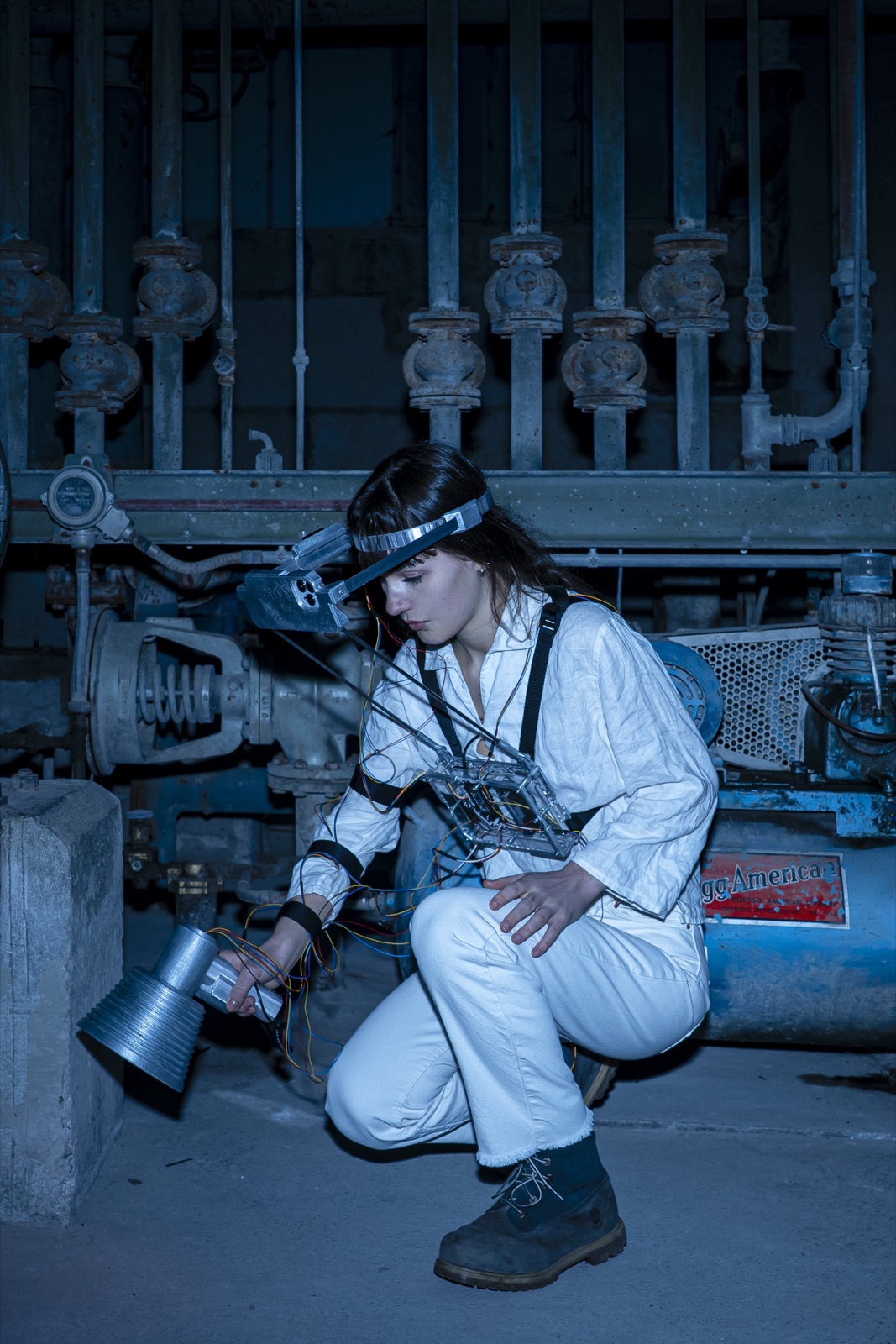
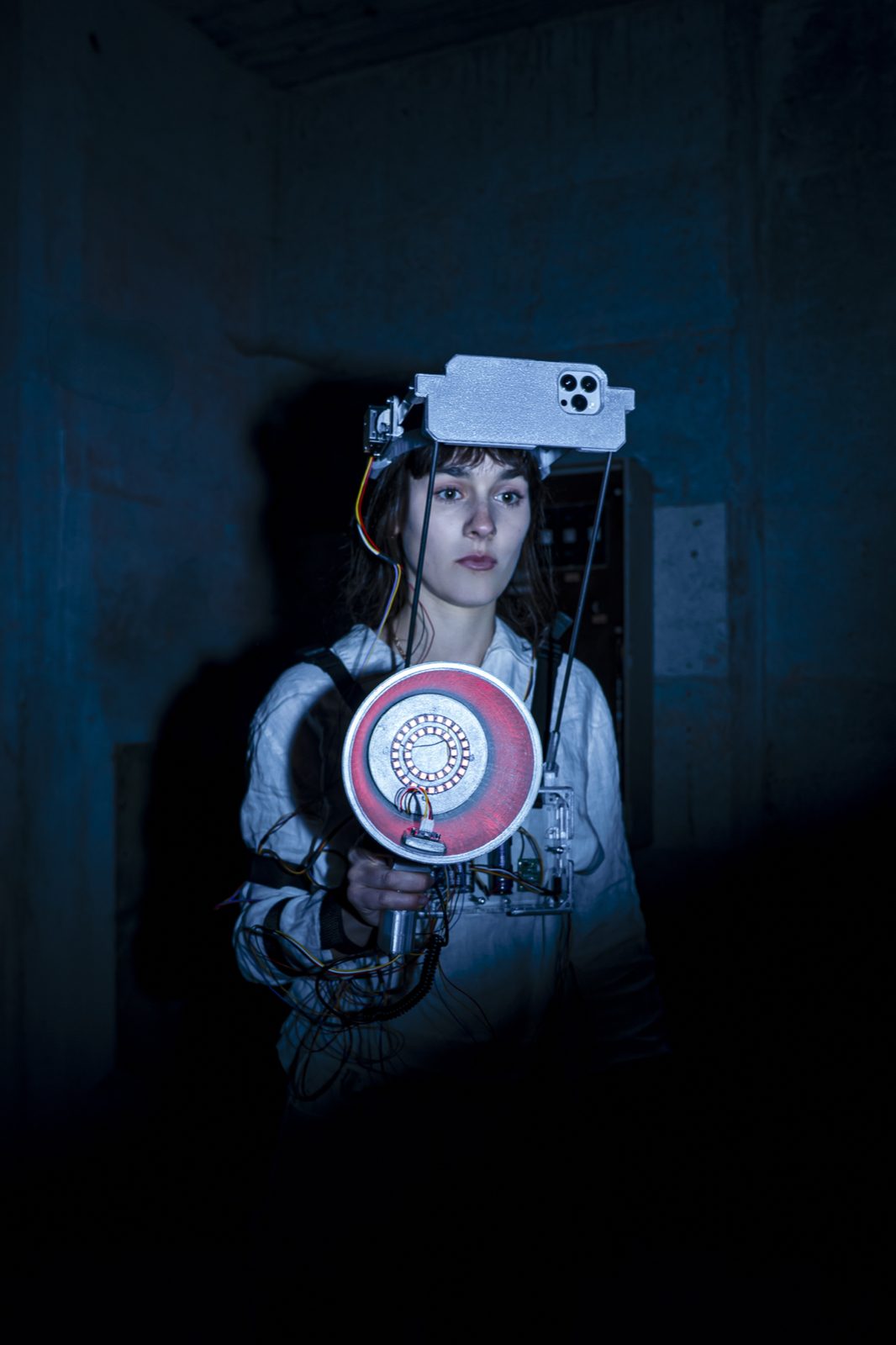
An instrument worn, not carried
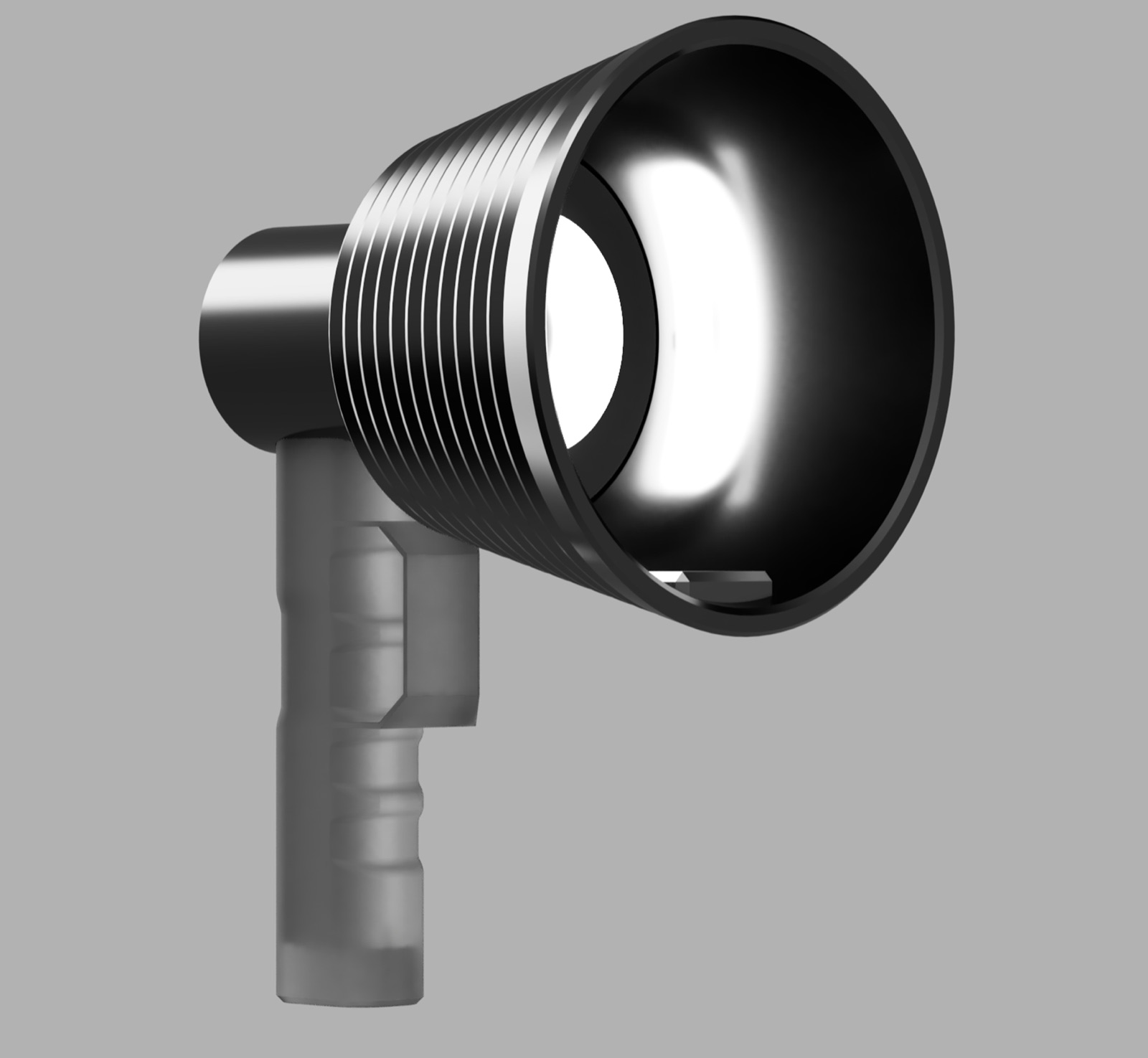
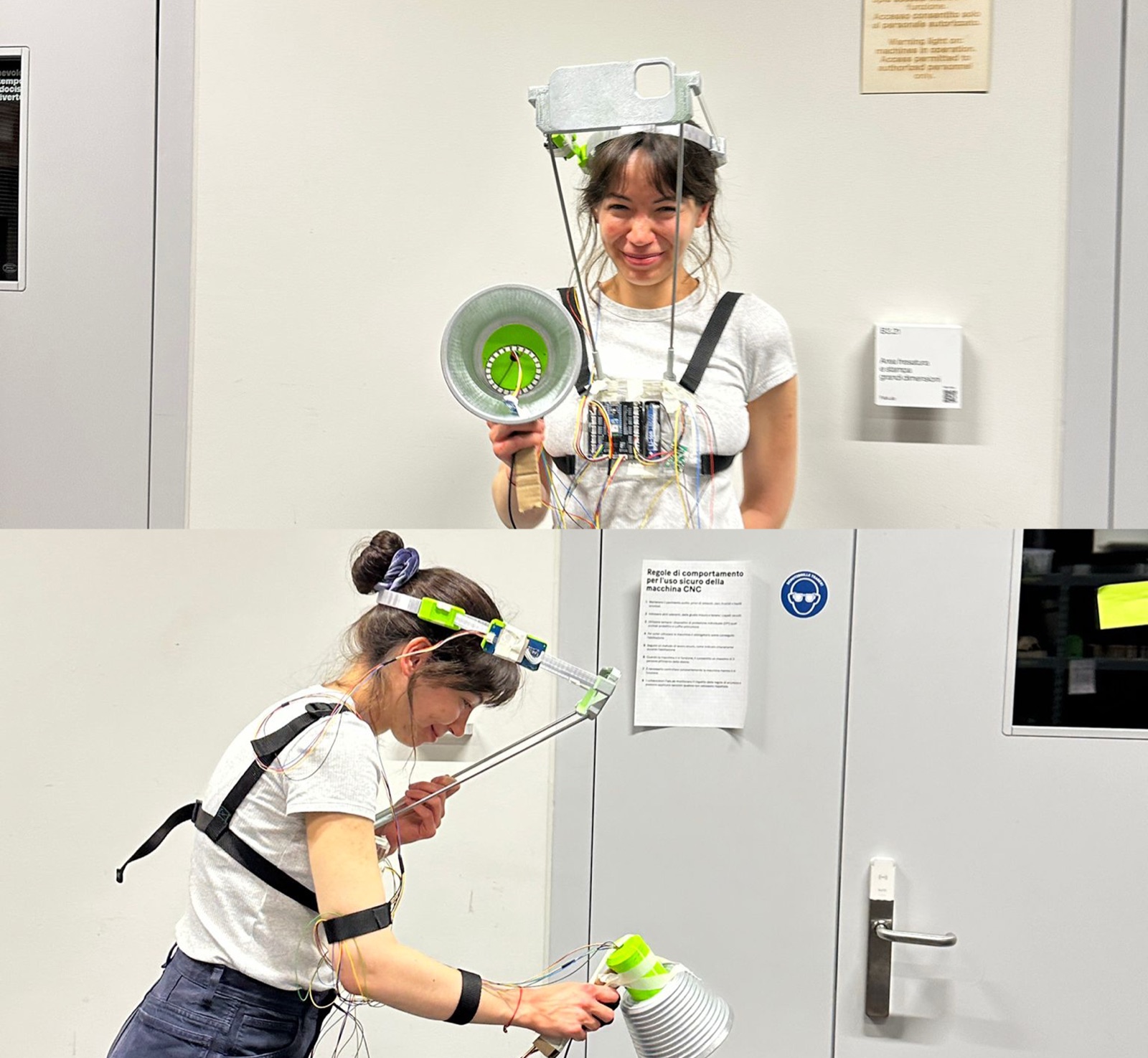
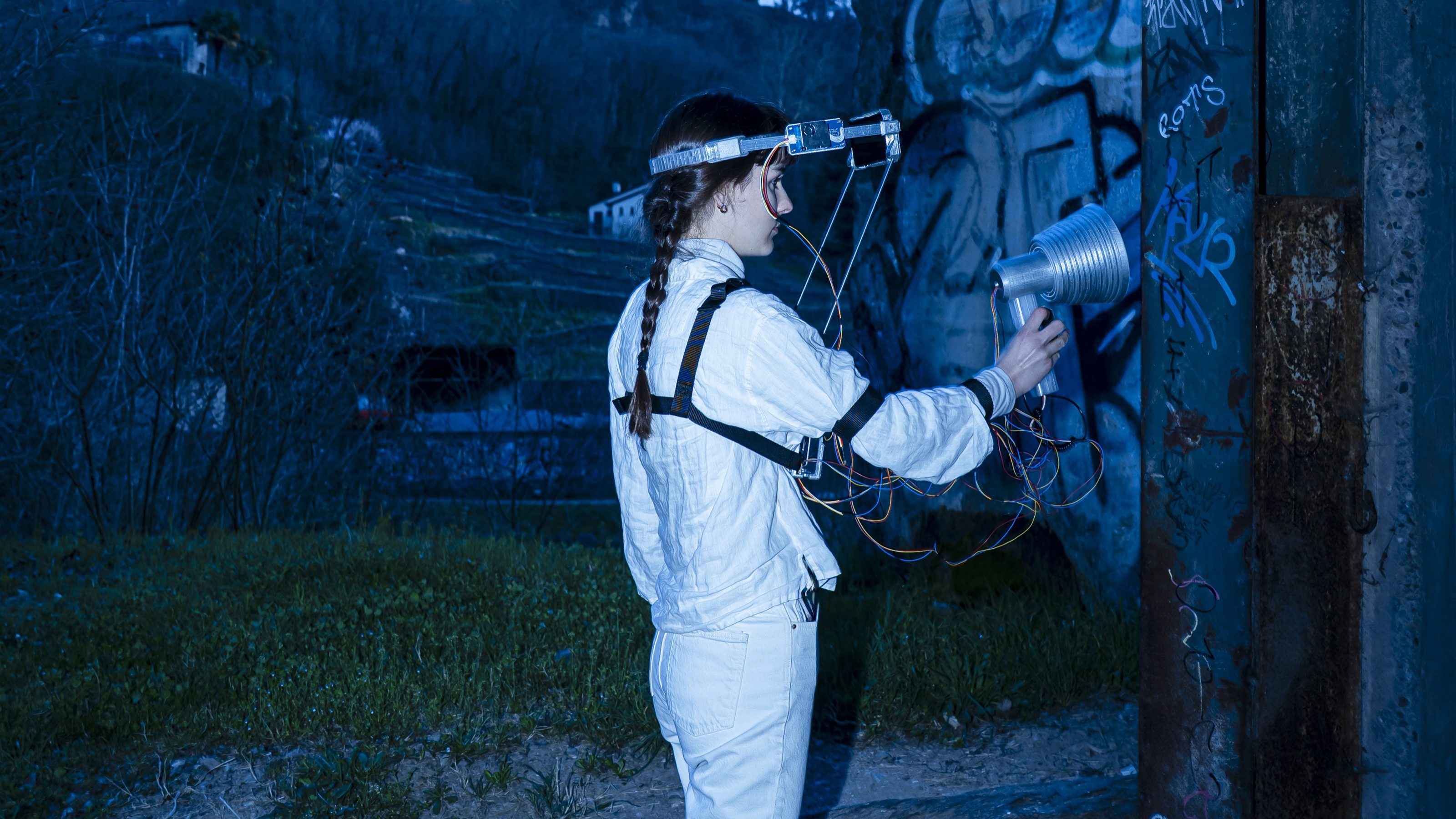
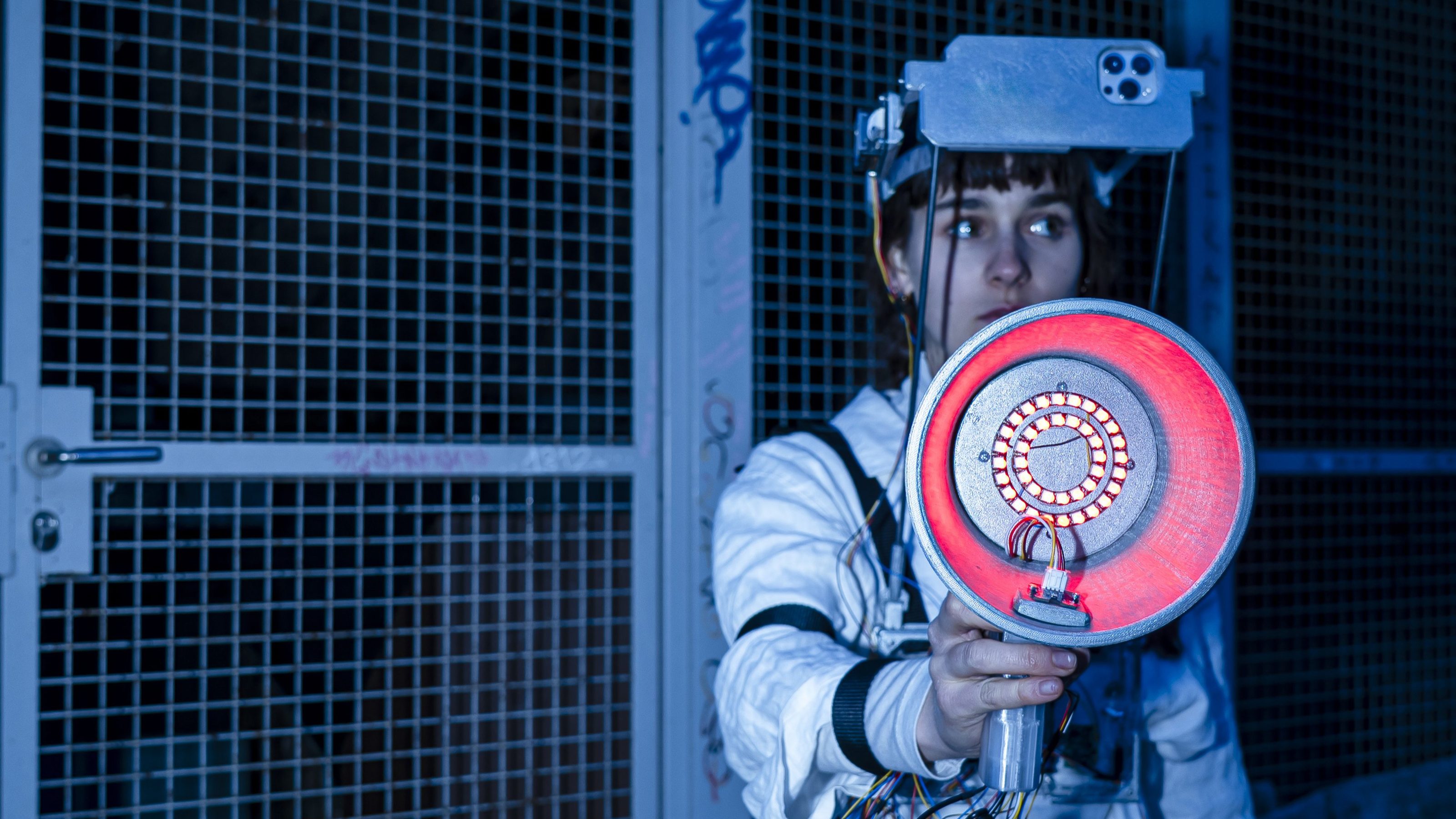
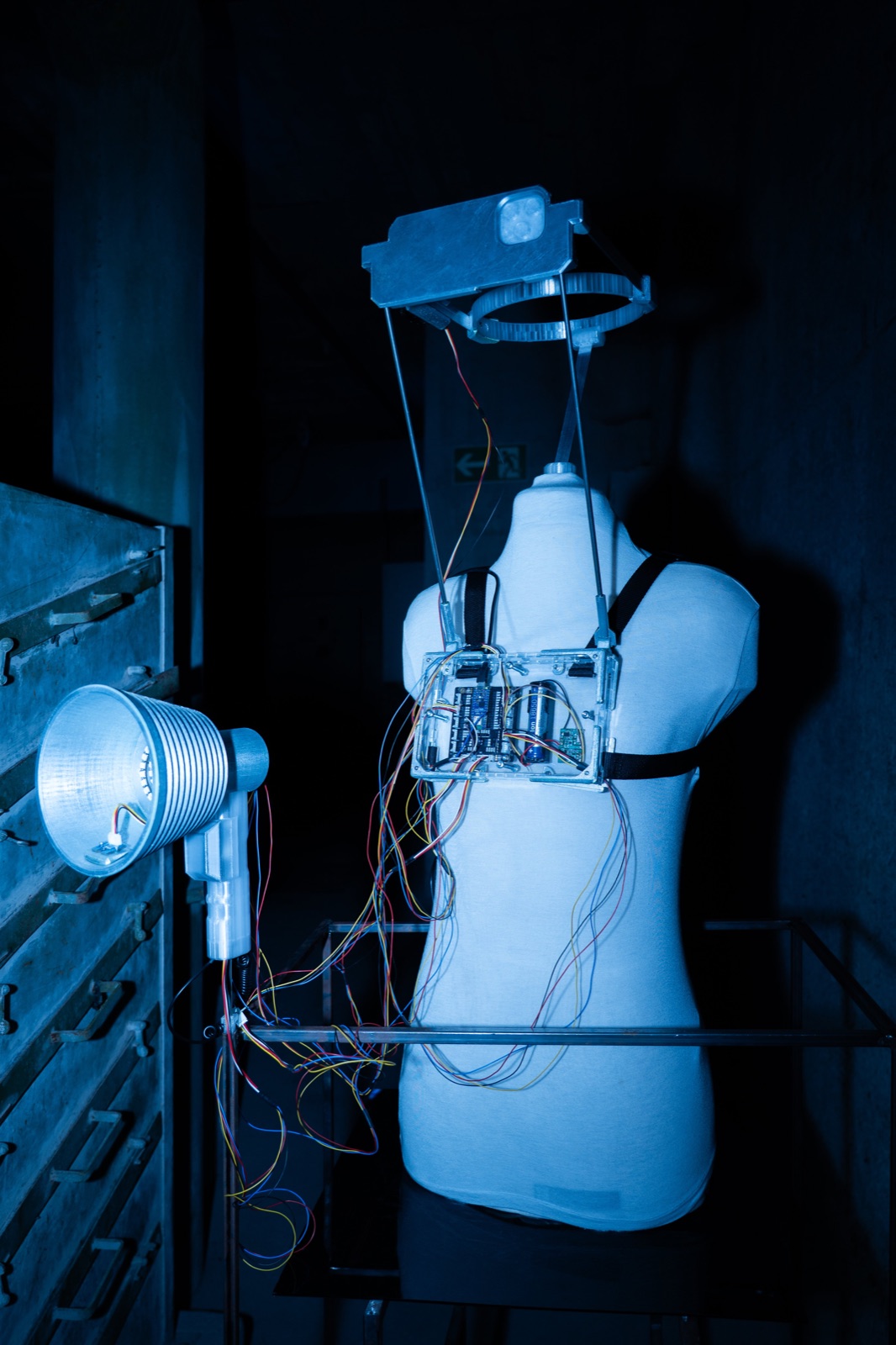
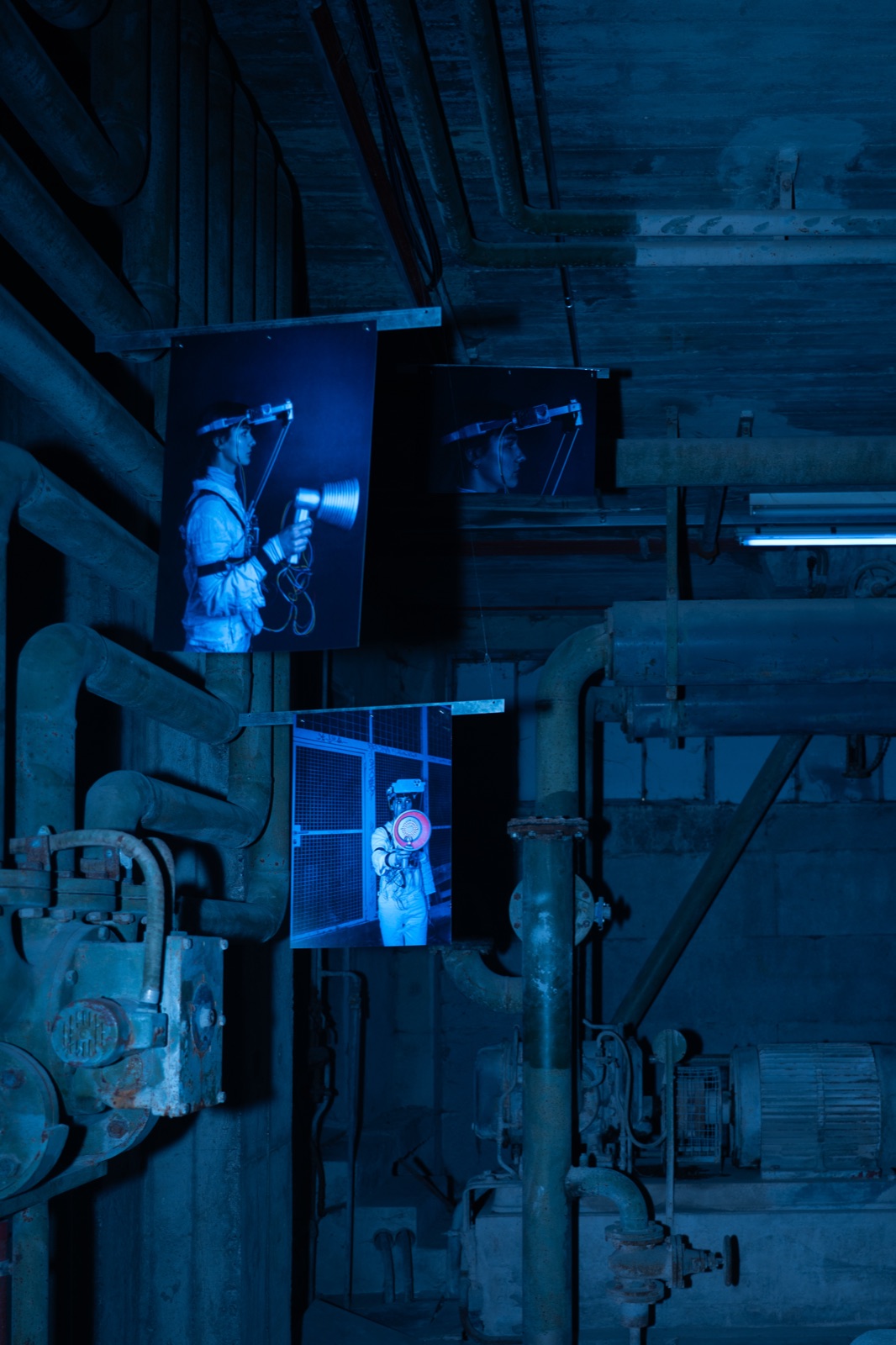
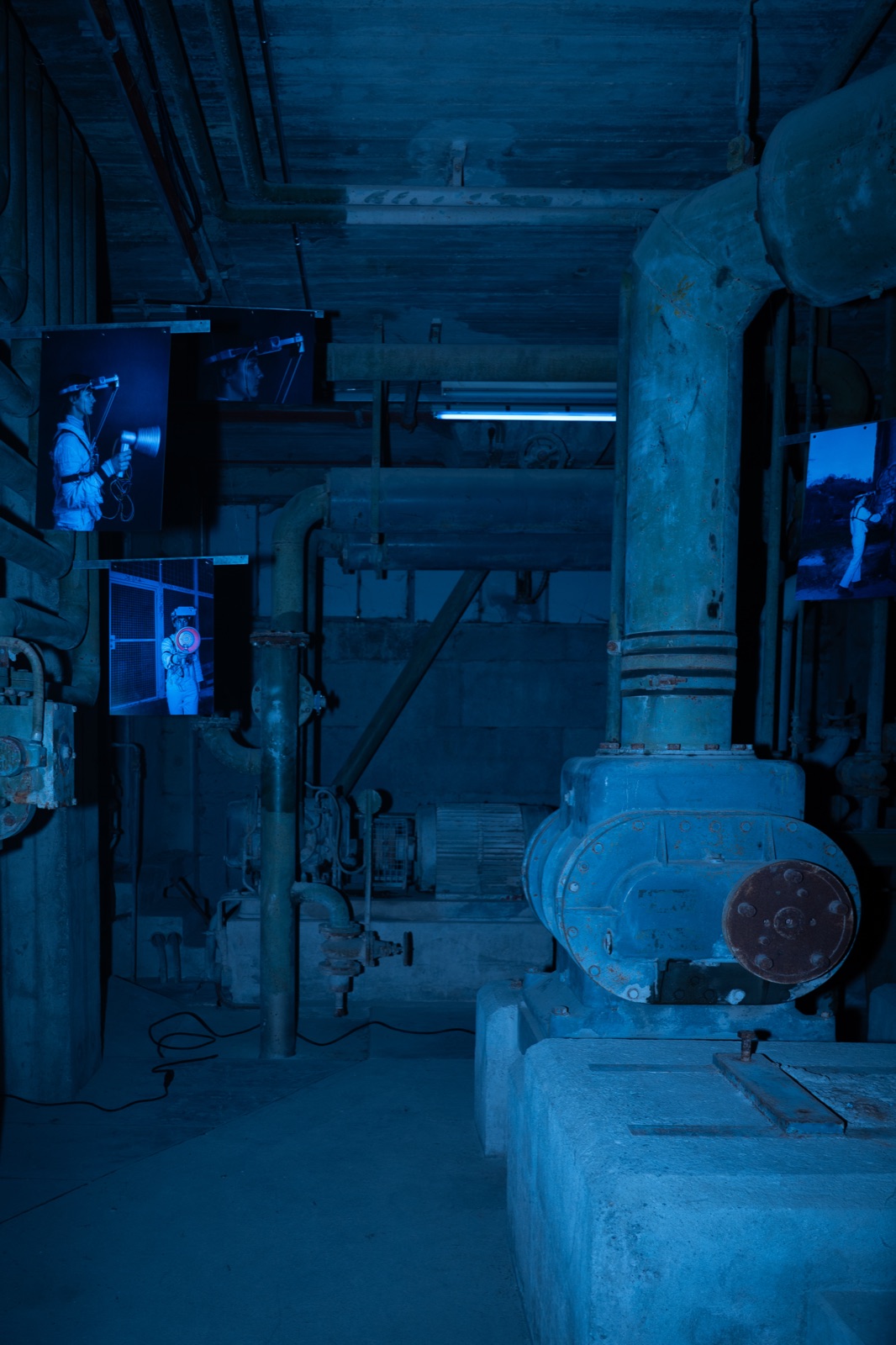
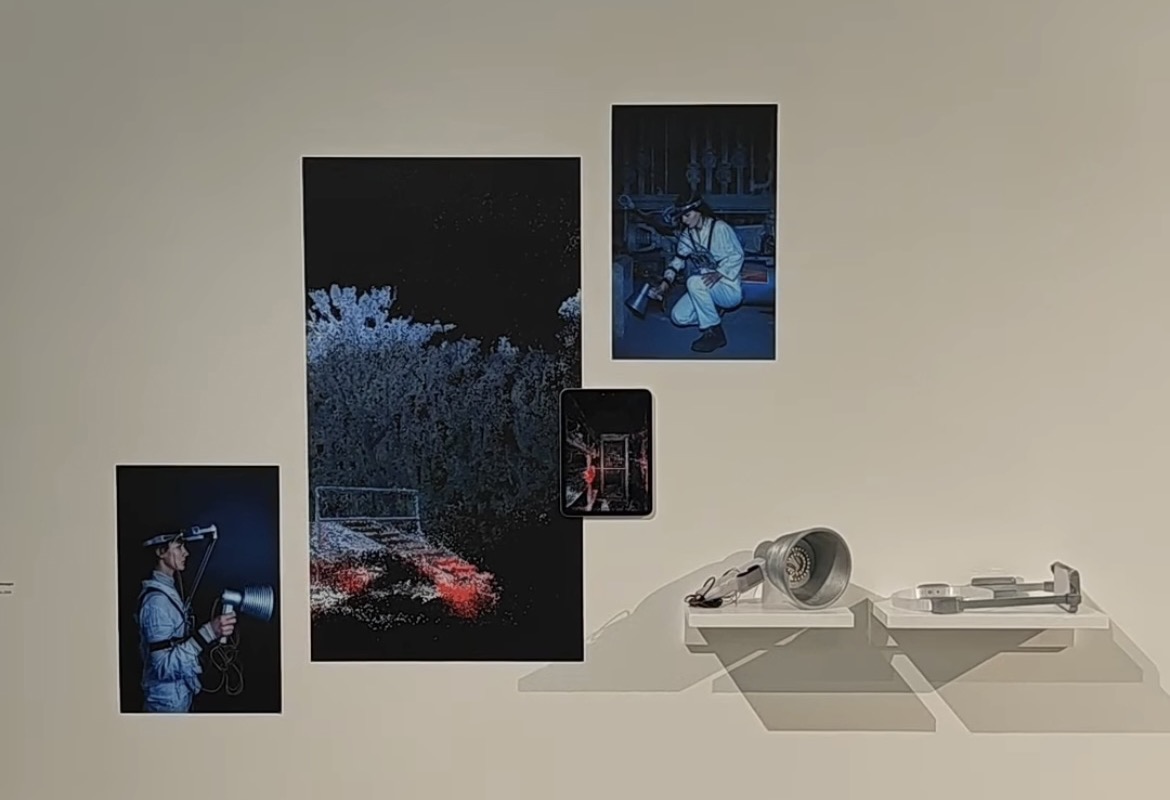
The instrument distributes itself across the body. A head frame carries the phone that scans the space, so the capture follows the investigator's line of sight and records what they were looking at rather than an independent survey of the room, and it holds the particulate sensor alongside it. An articulated arm brings the handheld probe toward whatever they turn to face, and the processing and power sit against the chest so the weight stays centred through long walks across a site.
Most of the sensing converges on the hand. Temperature and humidity are read by the probe, so those values belong to whatever it is aimed at, and galvanic skin response is taken at the hand holding it, which means the hand aiming the instrument is also the hand being measured by it. Particulate matter stays at the head, sampling the air the investigator is standing in rather than the space under examination. Neither side is treated as the more reliable one, and an anomaly requires more than one channel to agree.
The enclosure is built to read as survey equipment rather than as a finished product. Exposed hardware, visible cabling, and a plain shell keep the instrument closer to something assembled for fieldwork than to something manufactured.
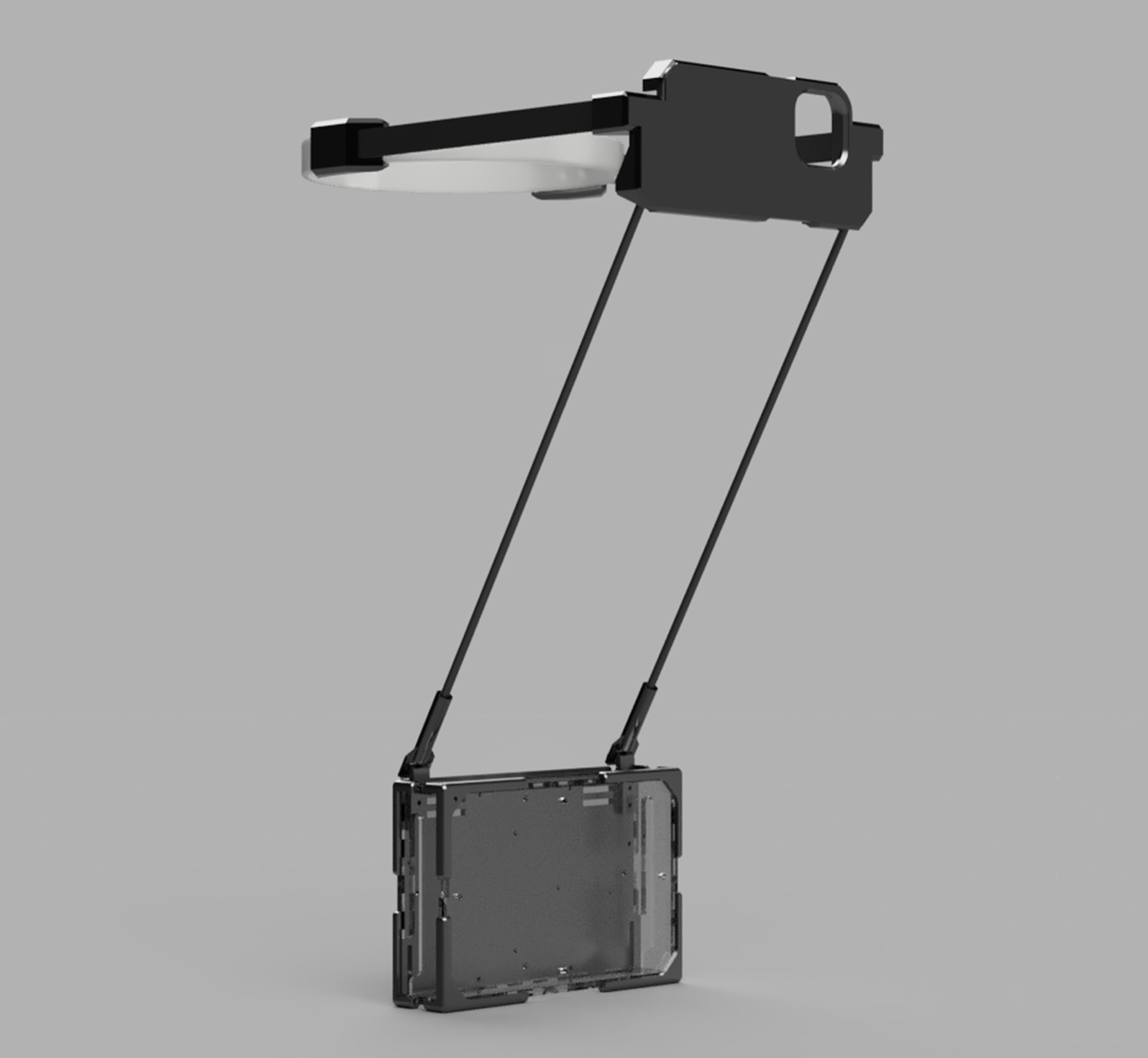
Built to be changed
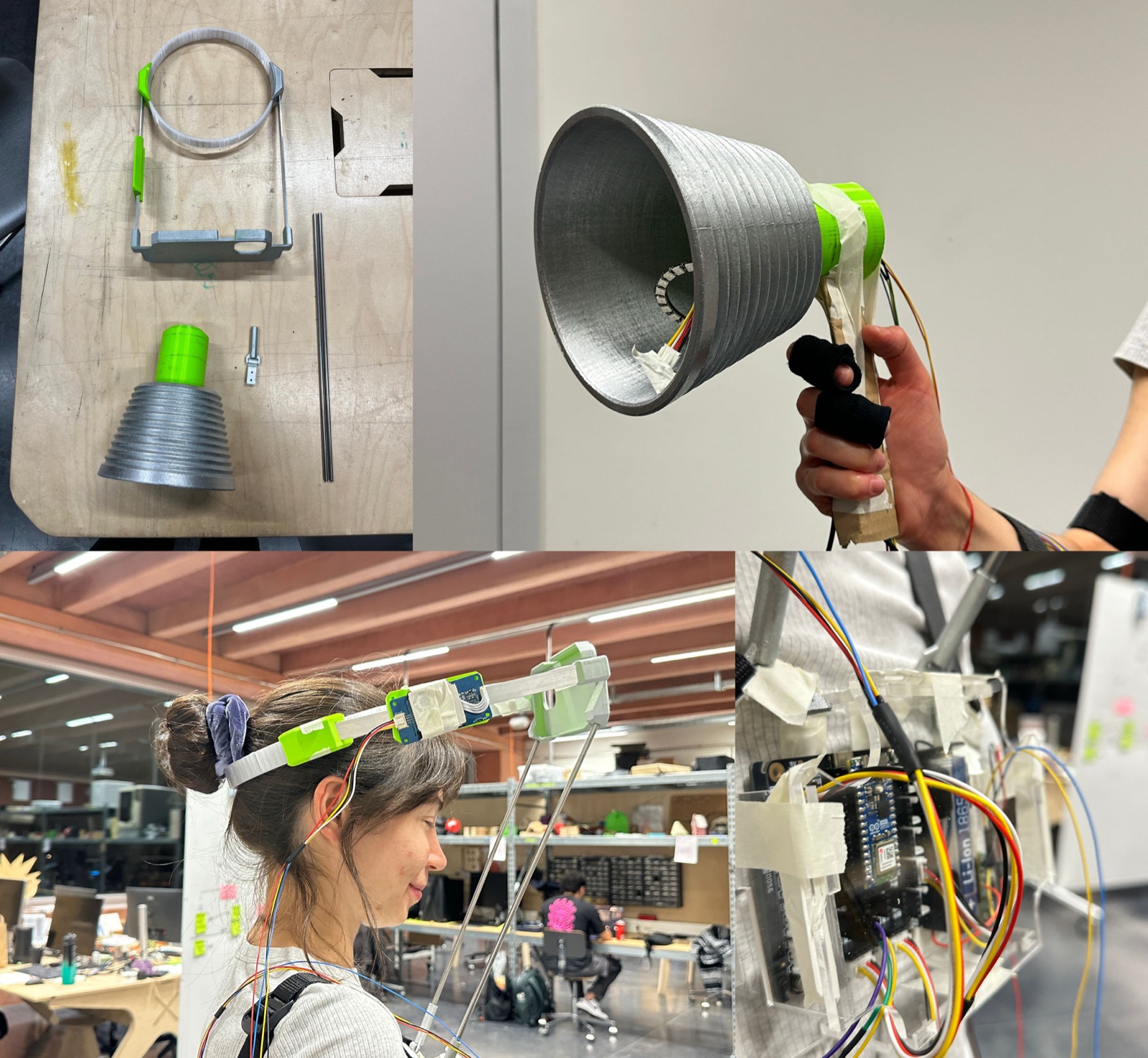
The parts were printed in PETG and spray painted silver, then assembled with metal rod and standard fasteners.
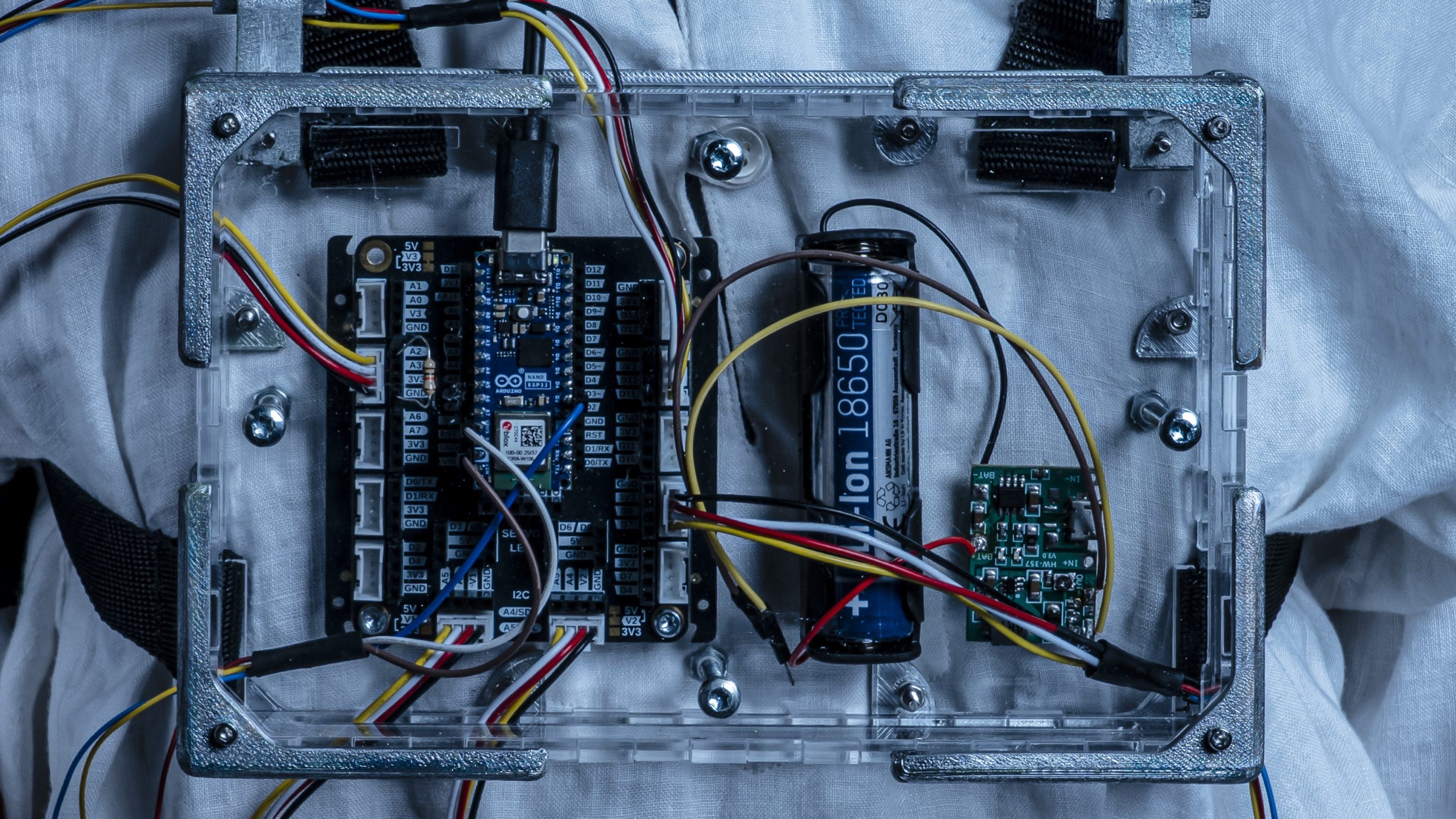
The chest plate went through several versions, changing as the electronics settled and staying open because there was still testing to do before anything could be closed up. An Arduino Nano ESP32 reads the sensor array and drives the light ring inside the scanning cone, and keeping the wiring exposed meant a failing channel could be traced in place rather than after the session.
Spatial interpretation
A spatial archive of unresolved traces
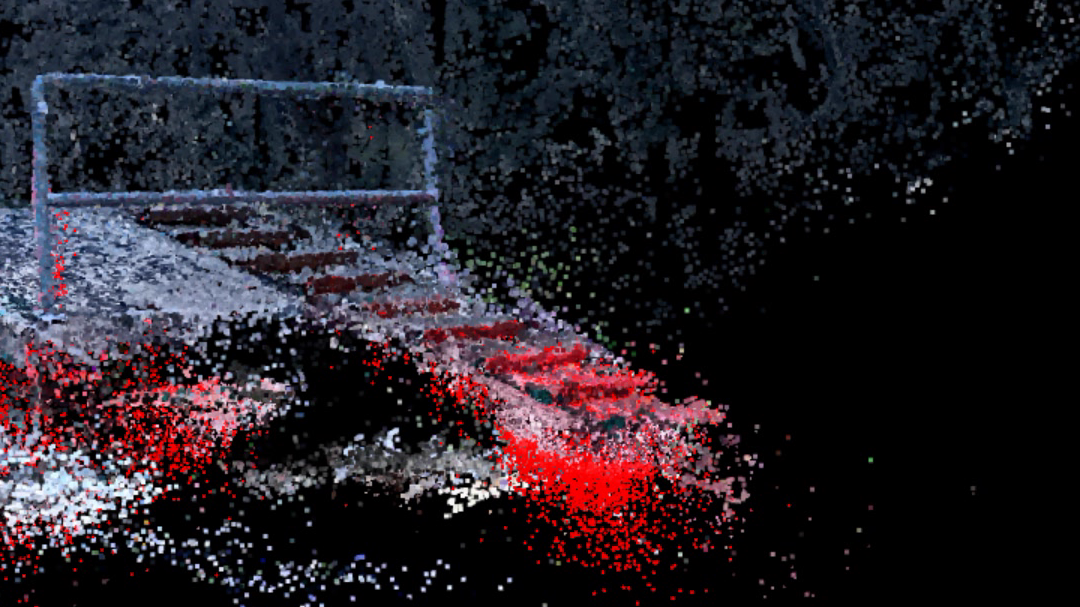
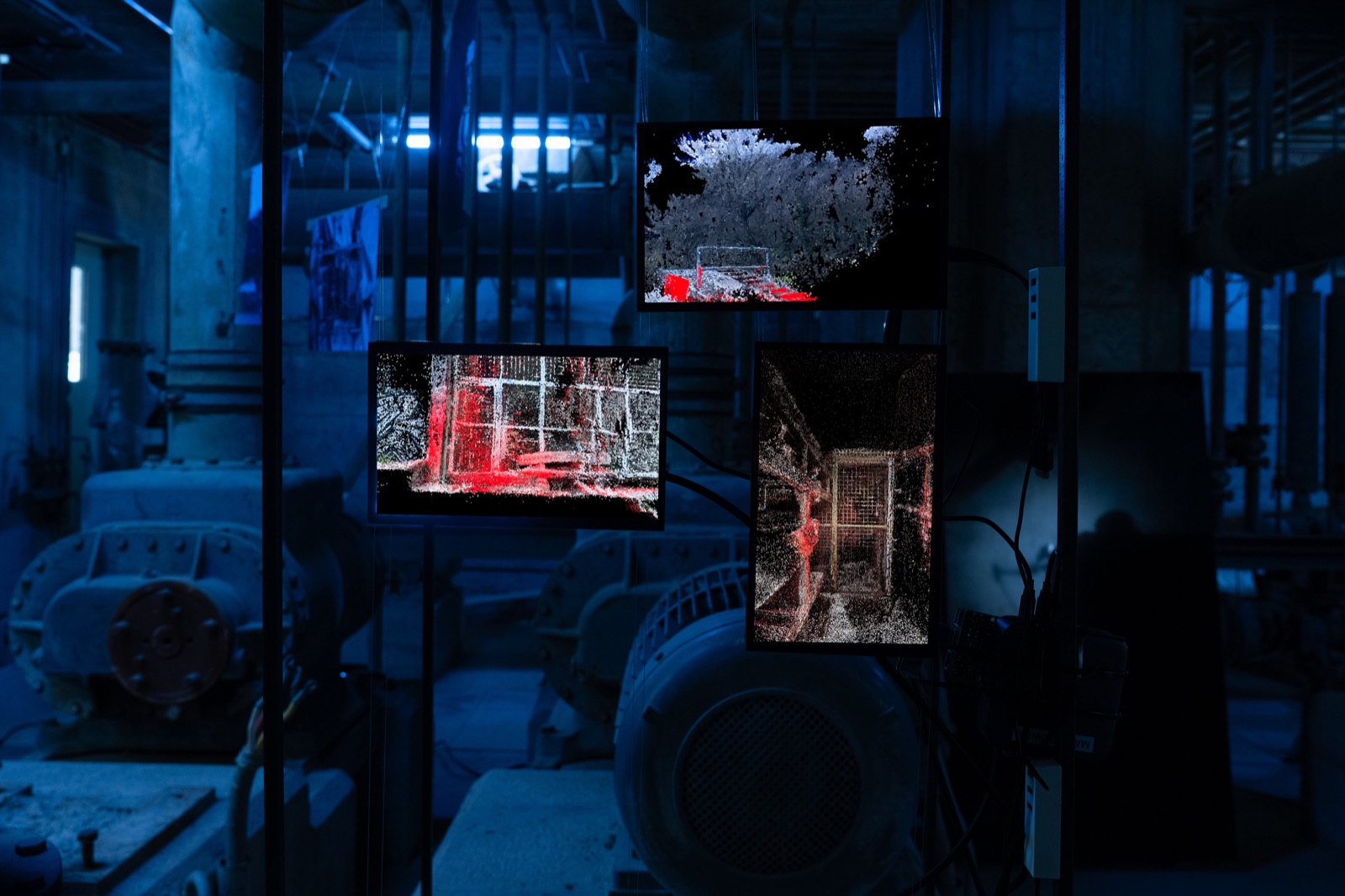
The final output takes the form of a narrated video essay presented alongside multiple Gaussian Splat reconstructions across separate screens. The central projection follows the investigator moving through abandoned industrial environments while the sensing instrument continuously scans and logs environmental deviations.
Sensor-triggered anomalies become embedded within the reconstructed spaces as moments of instability, fragmentation, and displacement. The resulting environments replay the spaces as the system experienced them.
Rather than resolving what occurred within these sites, the video essay reconstructs the process of searching itself.
- Berger, J. (2008). Ways of seeing. Penguin Books.
- Flusser, V. (2000). Towards a philosophy of photography (A. Mathews, Trans.). Reaktion Books. (Original work published 1983).
- Malraux, A. (1965). Le musée imaginaire. Gallimard.
© 2026 Ayşe Ceren Seçkin